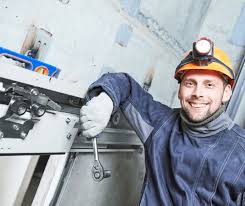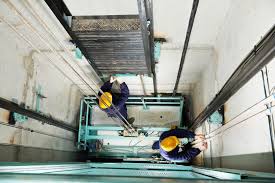
A home elevator is a complex machine that needs regular checks. Proper residential lift maintenance ensures it works well, is safe for everyone, and lasts a long time. It involves scheduled inspections, lubrication, and checks for wear and tear. Ignoring maintenance can lead to bigger problems and costly repairs later on.
Understanding Your Home Elevator’s Needs
A home elevator, also called a residential lift, is a wonderful addition. It makes moving between floors easy, especially for those with mobility challenges. But like any machine, it needs care.
Think of it like a car; you wouldn’t skip oil changes, right? Your lift needs similar attention.
These lifts use various systems to work. They have motors, cables or hydraulic systems, control panels, and safety features. Each part plays a role.
If one part isn’t working right, it can affect the whole system. This is why a skilled technician’s eye is so important for residential lift maintenance.
The goal of maintenance is simple: keep it running smoothly. It’s about preventing problems before they start. Small issues can become big ones if not caught early.
This can mean unexpected shutdowns or, worse, safety risks. Regular checks help avoid these situations. It’s about peace of mind for you and your family.
When you search for “residential lift maintenance near me,” you’re looking for reliable help. You want someone who knows these systems. Someone who can spot trouble before it becomes a disaster.
The right maintenance plan gives you that confidence. It ensures your lift is always ready when you need it.
Many factors can affect a home elevator. How much it’s used is one. The type of lift matters too.
Is it a hydraulic lift, a geared traction lift, or something else? Each has its own needs. Even the environment in your home can play a part.
Dust, humidity, or extreme temperatures can sometimes impact parts.
A good maintenance schedule covers all these points. It’s not just a quick look. It’s a thorough inspection.
Technicians check moving parts. They look at electrical connections. They test safety features.
They listen for unusual noises. It’s a complete system check, designed to keep everything in balance.
The cost of regular maintenance is far less than major repairs. It’s an investment in your home and your comfort. It also adds value to your property.
A well-maintained elevator is a selling point. It shows the home has been cared for.
So, what does this maintenance really involve? It’s not just one thing. It’s a combination of tasks.
These tasks keep the lift safe and reliable. They help extend its lifespan. They also ensure it meets all safety standards.
For homeowners, this means fewer worries and more enjoyment of their home’s convenience.
When you think about residential lift maintenance, picture a health check-up. It’s proactive care. It aims to keep the lift healthy.
This health translates directly to your safety and convenience. It’s a key part of owning such a system.
My Own Elevator Scare: A Moment of Panic
I remember one chilly Tuesday evening. I was heading downstairs to grab a book. I pressed the button, and the lift started its usual descent.
But this time, it wasn’t smooth. There was a strange grinding sound. It felt like it lurched a bit.
My heart did a little flip. It wasn’t a huge jolt, but it was definitely not right.
I was only on the second floor, so walking down wasn’t a big deal. But the sound stuck with me. It was a harsh, metallic rasp.
It made me think of gears stripping or something catching. I stood there for a moment, my hand still on the wall, a knot of worry tightening in my stomach. What if it got stuck?
What if it made a worse sound next time?
That night, sleep didn’t come easy. Every creak of the house sounded like my lift groaning. I kept picturing the worst-case scenarios: being stranded, a costly breakdown in the middle of the night.
I had always assumed the lift would just keep going, no questions asked. That sound was a wake-up call. It showed me how important it was to pay attention.
The next morning, I immediately searched for “residential lift maintenance service.” I felt a bit silly, but also relieved that help was out there. I found a local company and booked an urgent inspection. When the technician arrived, he was calm and reassuring.
He listened to my story, noting the time and the sound.
He spent a good hour inside the lift shaft and on the control panel. He explained that a small piece of debris had likely gotten lodged in one of the pulleys. It was a simple fix, but if left, it could have caused serious damage to the cable or the motor.
He cleaned it out, lubricated everything, and tested it several times. The smooth, quiet operation that returned was music to my ears. That experience taught me a valuable lesson about proactive care.
Lift Maintenance: Key Areas to Check
1. Safety Features: This includes emergency brakes, door interlocks, and alarm buttons. They must be tested regularly to ensure they work perfectly.
2. Moving Parts: Rollers, pulleys, and guide rails need proper lubrication. This reduces wear and tear and prevents those awful noises.
3. Drive System: For hydraulic lifts, this means checking fluid levels and leaks. For traction lifts, it involves inspecting cables and the motor.
4. Electrical Components: Wires, sensors, and the control panel need to be free of corrosion and damage. Connections should be secure.
Why Routine Checks Are Non-Negotiable
Skipping or delaying maintenance on your home elevator is a risky move. It’s like ignoring a small leak in your roof. What starts as a minor drip can lead to major water damage over time.
For a lift, the consequences can be even more serious.
One of the biggest reasons for regular residential lift maintenance is safety. Elevators are complex. They have many safety systems designed to protect passengers.
These include emergency brakes, door sensors, and overspeed governors. These systems need to be checked often to make sure they function as intended. A faulty safety system is a serious hazard.
Another crucial aspect is reliability. You rely on your lift to be there when you need it. Imagine needing to get upstairs with groceries or if you have a temporary injury.
If the lift breaks down unexpectedly, it’s not just an inconvenience. It can disrupt your daily life significantly. Regular maintenance minimizes the chances of unexpected breakdowns.
Wear and tear are natural. Moving parts in an elevator constantly work against friction and gravity. Over time, this causes parts to wear down.
Lubrication is key here. It reduces friction, which in turn reduces wear. Technicians check and re-lubricate these parts.
They also look for signs of excessive wear. Replacing a worn part early is much cheaper than fixing the damage it causes to other components.
Energy efficiency is also something to consider. A well-maintained elevator runs more smoothly. This means the motor doesn’t have to work as hard.
A struggling motor uses more electricity. Over time, this can add up. Keeping your lift in good shape helps it run efficiently, saving you a bit on your energy bills.
The lifespan of your elevator is directly tied to its maintenance. A lift that receives regular professional care can last for many years, often 20 or more. Without it, its useful life can be significantly shortened.
This means an earlier, more expensive replacement cost.
Compliance with regulations is another factor. In many areas, there are codes and standards for elevator safety and maintenance. A qualified technician ensures your lift is up to these standards.
This is especially important if you ever plan to sell your home. Buyers often ask about the maintenance history of major systems.
Think about the cost savings in the long run. A typical maintenance visit might cost a few hundred dollars. A major repair due to neglect could easily cost thousands.
Preventative care is almost always more cost-effective than reactive repair. It’s a smart financial decision.
The expertise of a trained professional is invaluable. They have the knowledge to spot potential issues that an untrained eye would miss. They understand the specific mechanics of different lift types.
They have the right tools and lubricants. Their experience helps them diagnose problems accurately and quickly.
Finally, peace of mind is a major benefit. Knowing that your lift has been checked and serviced by a professional gives you confidence. You don’t have to worry about it failing at a critical moment.
This freedom from worry is priceless for many homeowners.
Lift Maintenance vs. Repairs: What’s the Difference?
Maintenance: Scheduled, proactive work to keep the lift in good working order. This includes cleaning, lubrication, adjustments, and testing of safety systems. It aims to prevent problems.
Repairs: Reactive work done when a part has broken or the lift is not functioning correctly. This addresses existing issues and aims to restore normal operation.
Key takeaway: Regular maintenance reduces the need for costly repairs.
Common Lift Issues and What They Mean
Even with good care, elevators can sometimes develop minor issues. Recognizing these common problems can help you know when to call for service. It also helps you understand what the technician is talking about.
One common complaint is noise. Grinding, squeaking, or rattling sounds are not normal. A grinding noise might suggest a problem with gears or bearings.
Squeaking often means parts need lubrication. Rattling could indicate loose components or something vibrating within the shaft.
Another issue is slow operation. If your lift seems to be taking longer than usual to travel between floors, it’s a sign. This could be due to a number of things.
The motor might be working harder than it should. There could be resistance in the guide rails. Or, it might be an issue with the control system.
Jerky movements are also a concern. If the lift doesn’t move smoothly, it suggests a problem with the drive system or the guide rollers. This can be uncomfortable and a sign that components are not aligned correctly or are worn out.
Door problems are fairly common. Doors that are slow to open or close, or that don’t align properly, need attention. This could be an issue with the door operator mechanism, the sensors, or even the tracks they run on.
Safety sensors on the doors are vital for preventing entrapment.
Unusual smells can also be an indicator. A burning smell often points to an overheating motor or electrical issue. It’s a serious warning sign that requires immediate inspection.
Control panel issues, like buttons not responding or lights not working, might seem minor. However, these can be symptoms of deeper electrical problems. The control system is the “brain” of the elevator, and any fault here can affect its operation.
Water leaks or puddles around the elevator pit or machine room are also serious. This could indicate a problem with the hydraulic system (if applicable), seals, or even a structural issue with the building. Water and electrical systems don’t mix well.
Some lifts have an emergency stop button or an alarm. If these are not working, it’s a critical safety issue. Regular testing ensures they are functional.
Over time, you get to know the normal sounds and feel of your lift. When anything deviates from that, it’s worth noting. It’s better to be a little too cautious than to wait for a small problem to become a big one.
When you notice any of these signs, it’s time to reach out for professional residential lift maintenance. Don’t try to fix complex elevator issues yourself. These systems require specialized knowledge and tools.
A qualified technician can diagnose the exact cause and perform the necessary repairs safely and effectively.
Quick Checks You Can Do (Safely)
Visual Inspection: Look at the lift cabin and doors. Do they look clean and free of obvious damage? Are the floor indicators working correctly?
Listen Carefully: Pay attention to sounds during operation. Are there any new or unusual noises? Note them down.
Door Operation: Watch how the doors open and close. Do they move smoothly and quickly? Do they meet the frame properly?
Smoothness of Travel: Does the lift move smoothly between floors? Any jerky starts, stops, or excessive swaying?
Emergency Button Test: If you are comfortable and have confirmed the procedure with your service provider, test the alarm button to ensure it sounds.
Finding the Right Local Lift Maintenance Service
When you search for “residential lift maintenance near me,” you’re looking for a reliable partner. Finding the right service provider is key to keeping your lift safe and running well. It’s not just about picking the first name you see.
Start by asking for recommendations. Friends, neighbors, or even your home builder might have used a service they trust. Word-of-mouth referrals are often the best.
They come from people who have actually experienced the service.
Look for companies that specialize in residential elevators. While some companies service all types of lifts, those focused on home elevators will have a deeper understanding of your specific needs. They are more likely to be familiar with the brands and models you might have.
Check their experience and credentials. How long have they been in business? Do they have certified technicians?
Certification from industry organizations indicates a level of training and knowledge. Ask about their experience with your specific type of lift system.
Read online reviews. Websites like Google, Yelp, or Angie’s List can give you insights into what other customers have experienced. Look for patterns in reviews – consistent praise for promptness, professionalism, and effective repairs is a good sign.
Be wary of companies with many negative reviews or unresolved complaints.
Ask about their maintenance plans. Many companies offer different levels of service contracts. A good plan should include regular inspections, lubrication, and testing of safety features.
It should clearly outline what is covered and how often visits will occur.
Get quotes from a few different companies. Compare not just the price, but also what is included in the service. A lower price might seem attractive, but it’s not worth it if the service is substandard.
Ensure the quotes are detailed and easy to understand.
Inquire about their response time for emergency calls. If your lift breaks down, you want to know that help can arrive quickly. Ask about their availability – do they offer 24/7 emergency service?
Ensure they are licensed and insured. This protects you in case of any accidents or damage that might occur during their work. Verify their insurance coverage.
Finally, trust your gut. When you speak with a company representative, do you feel heard? Do they explain things clearly?
Do they seem knowledgeable and professional? A good relationship with your service provider is important for ongoing care.
Finding the right company takes a little effort, but it’s well worth it. A trusted partner for residential lift maintenance will give you confidence that your lift is always in good hands. This ensures safety, reliability, and longevity for your home elevator.
Questions to Ask Potential Service Providers
“What is included in your standard residential lift maintenance plan?”
“How often are maintenance visits scheduled?”
“Are your technicians certified to work on my type of elevator?”
“What is your emergency service response time?”
“Can you provide references from other residential clients?”
“What is the warranty on parts and labor for repairs?”
The Lifespan of Home Elevators and Factors Affecting It
Home elevators are designed to be long-lasting. With proper care, many can serve a household for two decades or more. However, their lifespan isn’t set in stone.
Several factors can influence how long your lift will perform reliably.
Usage Frequency: Just like a car, the more you use your elevator, the more wear and tear it experiences. A lift used multiple times a day by a large family will likely have a shorter component life than one used only a few times a week by a single person. This is why consistent residential lift maintenance is so important – it combats the effects of heavy use.
Type of Elevator: Different elevator technologies have different lifespans and maintenance needs. For example, hydraulic elevators often have a reputation for durability, but they can be susceptible to leaks. Geared traction elevators are known for their smooth ride and efficiency, while gearless traction elevators often offer the longest service life and require less maintenance.
Quality of Installation: A lift that is installed correctly from the start will perform better and last longer. Improper installation can put undue stress on components, leading to premature failure. Always ensure your lift is installed by a reputable, certified professional.
Environmental Factors: The conditions in your home can affect the elevator. Excessive humidity can lead to corrosion on metal parts and electrical issues. Dust and debris can get into mechanical components, causing friction and wear.
Extreme temperature fluctuations can also impact certain parts.
Maintenance Schedule Adherence: This is arguably the most critical factor. Sticking to a regular, professional maintenance schedule ensures that small issues are caught and fixed before they become major problems. It also means that parts are kept clean, lubricated, and in optimal working condition, extending their life.
Quality of Components: Not all elevator parts are created equal. Higher-quality components tend to last longer and perform more reliably. When repairs are needed, using reputable, OEM (Original Equipment Manufacturer) parts can help maintain the lift’s longevity.
Promptness of Repairs: If a part does fail, addressing the repair immediately is crucial. Continuing to use a lift with a known problem can cause cascading damage to other systems. For instance, a worn bearing can lead to motor damage if not replaced promptly.
Power Surges and Electrical Issues: Unstable power can damage sensitive electrical components and the motor. Using a surge protector for the elevator’s power supply can help mitigate this risk.
Understanding these factors helps you appreciate why professional residential lift maintenance is so vital. It’s not just about fixing things when they break; it’s about proactively managing the elements that influence your elevator’s performance and lifespan.
Signs Your Elevator Might Be Nearing the End of Its Life
Frequent Breakdowns: If you find yourself calling for repairs more and more often, it’s a sign of aging components.
Outdated Safety Features: Newer models have advanced safety systems. If yours lacks basic modern features, it might be time to consider an upgrade for safety.
Rising Repair Costs: When the cost of repairs starts to outweigh the cost of a new elevator, it’s often more economical to replace it.
Obsolete Parts: If it becomes difficult to find replacement parts for your model, it’s a clear indicator that the manufacturer no longer supports it, and you may be headed for trouble.
Significant Noise or Vibrations: While some noise is normal, excessive or new loud sounds could signal major internal wear.
DIY vs. Professional Maintenance: What’s the Verdict?
When it comes to maintaining complex machinery like a home elevator, the question often arises: “Can I do any of this myself, or do I need a professional every time?” The short answer is: always use a professional for the critical residential lift maintenance tasks.
Why Professional Maintenance is Essential:
Expertise and Training: Elevator technicians undergo specialized training. They understand the intricate mechanics, electrical systems, and safety protocols. Their knowledge is essential for accurate diagnosis and safe repairs.
Safety Standards: Elevators are inherently dangerous if not handled correctly. Professionals are trained to work safely around high-voltage components, heavy machinery, and confined spaces like elevator shafts. They adhere to strict safety regulations.
Specialized Tools: Many maintenance tasks require specific tools that homeowners typically do not own. These tools ensure that parts are adjusted or tightened correctly without causing damage.
Warranty Protection: Using an unauthorized person for maintenance can void your elevator’s warranty. Professional service providers ensure that your warranty remains intact.
Comprehensive Checks: Professionals perform thorough inspections that go beyond what a homeowner can easily see or assess. They check critical safety systems, electrical connections, and subtle signs of wear that could be missed.
Troubleshooting Complex Issues: When something goes wrong, it can be hard to pinpoint the exact cause. Professionals have the experience and diagnostic equipment to identify the root of the problem efficiently.
What (If Anything) You Might Do:
While you should never attempt mechanical or electrical repairs, there are a few basic things a homeowner can do:
Keep it Clean: Regularly wipe down the interior of the elevator car. Ensure the floor area is free of debris that could interfere with door operation. Use a soft cloth to clean visible parts of the car walls.
Report Issues Immediately: If you notice any strange sounds, smells, or performance changes, note them down and report them to your service provider right away. Don’t wait for them to worsen.
Ensure Clear Access: Make sure the elevator pit (if accessible) and the machine room are kept relatively clean and free of clutter. This helps technicians perform their work more easily and safely.
Understand Emergency Procedures: Know how to use the emergency call button and the emergency stop button. Be familiar with the basic safety features of your particular model.
Ultimately, your home elevator is a sophisticated piece of equipment. Leaving its core maintenance to trained professionals is not just recommended; it’s essential for safety, reliability, and longevity. Think of it as investing in the peace of mind that comes with knowing your lift is in expert hands.
When to Call for Immediate Professional Service
Unusual Noises: Loud grinding, banging, or squealing sounds.
Sudden Stops: The elevator stops between floors without a clear reason.
Door Malfunctions: Doors not opening, closing, or aligning correctly.
Burning Smells: Any sign of electrical burning.
Jerky or Shaky Movement: The ride becomes noticeably rough.
Power Failure Warning: If the emergency power system isn’t functioning correctly.
Costs Associated with Residential Lift Maintenance
Understanding the costs involved in residential lift maintenance can help homeowners budget effectively. While the exact figures can vary widely, knowing what influences these costs is key.
Factors Influencing Maintenance Costs:
Type of Elevator: Hydraulic, geared traction, and gearless traction elevators all have different maintenance requirements and associated costs. Gearless systems often have higher initial service costs but may require less frequent attention.
Age and Condition of the Elevator: Older elevators or those in poorer condition may require more frequent and extensive maintenance. As parts wear out, they may need more attention or replacement.
Frequency of Service: Most maintenance contracts involve scheduled visits. The more frequent the visits (e.g., quarterly versus bi-annually), the higher the annual cost will be. However, more frequent visits can often prevent larger issues.
Scope of the Maintenance Plan: Basic plans might cover routine checks and lubrication, while premium plans can include more comprehensive testing, minor adjustments, and even discounts on parts for repairs.
Location: Labor rates for technicians can vary significantly by region. Areas with a higher cost of living may have higher service fees.
Service Provider: Different companies have different pricing structures. It’s wise to compare quotes from multiple reputable providers.
Emergency Service Calls: If you need service outside of your scheduled maintenance visits, emergency calls typically incur higher hourly rates and potential call-out fees.
Typical Cost Breakdown:
Annual Maintenance Contracts: These are the most common way to ensure regular care. Prices can range from approximately $300 to $1,000 or more per year, depending on the factors above. This often includes 1-4 service visits per year.
Ad-Hoc Service Calls: If you don’t have a contract and need a one-time inspection or repair, you might pay $150-$300 for an initial visit, plus the cost of any parts and labor. Hourly labor rates can range from $100 to $200+.
Parts and Labor for Repairs: This is the most variable cost. Replacing a small sensor might cost a few hundred dollars, while a motor or drive system replacement could run into thousands.
What is Generally Included in a Maintenance Plan?
A good residential lift maintenance plan typically includes:
- Visual inspection of all components.
- Lubrication of moving parts.
- Testing of safety devices (brakes, alarms, door interlocks).
- Checking and testing of the control system.
- Inspection of cables, pulleys, and guide rails.
- Checking fluid levels for hydraulic systems.
- Cleaning of the machine room and pit (if applicable).
- Performance tests to ensure smooth operation.
While the cost of maintenance might seem like an added expense, it’s crucial to view it as an investment. It significantly reduces the likelihood of costly breakdowns, extends the life of your elevator, and, most importantly, ensures the safety of your household. When searching for “residential lift maintenance near me,” always ask for a detailed breakdown of what a service contract includes.
Getting the Most Value from Your Maintenance Contract
Read the Contract Carefully: Understand exactly what is covered, what is not, and the frequency of visits.
Keep Records: Maintain a log of all maintenance and repair work performed on your elevator.
Communicate Issues: Don’t hesitate to report any minor concerns to your technician during their visit.
Ask Questions: If you don’t understand something, ask for clarification. A good technician will be happy to explain.
When Is It Time to Consider an Elevator Upgrade or Replacement?
Even with the best residential lift maintenance, every elevator will eventually reach a point where replacement or a significant upgrade is the more practical and safer option. Recognizing these signs is crucial for homeowners.
Frequent and Costly Repairs: If you find yourself calling for repairs multiple times a year, and the costs are adding up significantly, it’s a strong indicator that the elevator is becoming unreliable. The cumulative cost of these repairs can quickly exceed the cost of a new system.
Obsolete Technology and Safety Features: Elevator technology, especially safety systems, advances over time. Older elevators may lack modern safety features like advanced overspeed governors, improved door interlocks, or better communication systems. If your elevator doesn’t meet current safety codes or you desire enhanced safety, an upgrade is advisable.
Difficulty in Finding Parts: As elevators age, the manufacturer may stop producing replacement parts. If you’re experiencing issues and your service provider is struggling to find necessary parts, it signals that the elevator is nearing the end of its service life and becoming difficult to maintain reliably.
Significant Decline in Performance: If your elevator consistently experiences jerky movements, slow travel times, or other performance issues that even regular maintenance can’t fully resolve, it suggests internal wear and tear that may be irreversible or too costly to fix.
Energy Inefficiency: Older elevator motors and systems can be far less energy-efficient than modern ones. If you’re concerned about your energy consumption, upgrading to a newer, more efficient model can lead to savings over time.
Aesthetics and Home Value: While less critical for function, older elevators might not match the modern aesthetic of your home. A new, sleek elevator can also be a significant selling point and increase your home’s resale value.
Changes in Household Needs: Perhaps your family has grown, or someone has developed mobility issues. If your current elevator is no longer adequately meeting your household’s needs in terms of capacity, speed, or accessibility, an upgrade or replacement is warranted.
Major Component Failure: If a critical component like the motor, gearbox, or hydraulic pump experiences a catastrophic failure, the cost of repair might be so high that replacement becomes the more sensible financial decision.
When considering an upgrade or
Upgrade vs. Replacement: What’s the Difference?
Upgrade: This involves replacing specific components or systems within your existing elevator to improve performance, safety, or efficiency. For example, upgrading the control panel or motor.
Replacement: This means removing your old elevator entirely and installing a brand-new system from scratch. This is usually the best option for very old elevators or when major components have failed.
Key Consideration: The decision often depends on the age of the elevator, the extent of the issues, and the cost-effectiveness of each approach.
Frequently Asked Questions About Residential Lift Maintenance
How often should I have my home elevator serviced?
Generally, most manufacturers and service providers recommend a professional inspection at least once a year. Some may suggest bi-annual checks, especially for elevators with heavy usage. It’s best to follow the manufacturer’s recommendations for your specific model and consult with your chosen service provider.
What should I do if my elevator stops working unexpectedly?
First, stay calm. Do not try to force the doors open. Use the emergency call button inside the elevator car to contact your service provider or emergency services.
If you have a cell phone, call for help. Wait for trained professionals to arrive and assess the situation.
Can I use a general handyman for elevator maintenance?
It is strongly advised against using a general handyman for elevator maintenance or repairs. Elevators are complex mechanical and electrical systems that require specialized knowledge, training, and tools. Using an unqualified person can be dangerous, void warranties, and lead to more significant damage.
How do I know if my elevator needs maintenance or a repair?
Maintenance is routine, scheduled care to prevent problems. Repairs are needed when the elevator is not functioning correctly. Signs like unusual noises, slow operation, or jerky movements indicate a need for repair.
Regular maintenance visits by a professional will identify potential repair needs early.
What is the average cost of a residential elevator maintenance contract?
The cost can vary greatly depending on your location, elevator type, and the service provider. However, a typical annual maintenance contract for a residential elevator can range from about $300 to $1,000 or more. This often includes 1-4 service visits per year.
Are there any specific maintenance tasks I can perform myself?
While major mechanical and electrical maintenance should always be done by professionals, you can help by keeping the elevator car clean, ensuring the area around the doors is free of obstructions, and reporting any unusual sounds or performance changes immediately to your service provider. Always refer to your owner’s manual for specific homeowner guidelines.
What is the typical lifespan of a home elevator?
With proper, regular residential lift maintenance and timely repairs, a home elevator can last between 15 to 25 years, and sometimes even longer. Factors like usage, type of elevator, installation quality, and environmental conditions also play a significant role in its lifespan.
Conclusion: Keeping Your Home Lift Safe and Reliable
Caring for your home elevator is an essential part of homeownership. Regular, professional residential lift maintenance is the surest way to ensure its safety, reliability, and longevity. By understanding the needs of your lift, recognizing potential issues, and choosing a trusted service provider, you can enjoy the convenience and accessibility it offers for years to come.
Don’t wait for a problem to arise; proactive care is always the best approach.