Elevators move people and goods safely every day. They rely on strong cables to work. These cables are vital for elevator function.
They connect the elevator car to the machine room. When these cables wear out, they need replacing. This is a big job.
Knowing when and why to replace elevator cables is important. It helps keep everyone safe. It also prevents costly breakdowns.
We will look at this important topic in detail. You will learn what to watch for. You will also learn about the replacement process.
Elevator traction cables need regular checks and eventual replacement. This ensures safe operation and prevents unexpected failures. Understanding the signs of wear, the replacement process, and choosing the right service is key for building owners and managers.
What Are Elevator Traction Cables?
Elevator traction cables are special ropes. They are made of steel wires. These wires are twisted together.
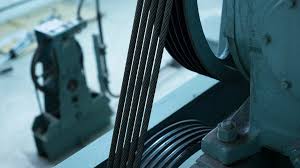
They look like thick ropes. These ropes go from the elevator car up to a big wheel. This wheel is called a sheave.
The machine that drives the elevator turns this sheave. As the sheave turns, it grips the cables. This makes the elevator move up or down.
The cables are under a lot of stress. They hold the weight of the elevator car. They also hold the weight of the people inside.
There are usually several cables. This provides backup. If one cable has a problem, others can still hold the weight.
This is a safety feature. The number of cables depends on the elevator’s size and weight capacity. They are designed to last a long time.
Why Do Elevator Cables Need Replacing?
Even strong things wear out. Elevator cables are no different. They face constant wear and tear.
This happens with every trip the elevator makes. Friction is a big factor. The cables rub against the sheave and other parts.
This friction wears down the steel wires.
Age is another reason. Over time, the steel can become brittle. It might lose some of its strength.
Corrosion can also be a problem. If moisture gets into the cables, they can rust. Rust weakens the steel.
It can also make the surface rough.
Damage from external sources can occur too. Things can get caught in the hoistway. This could snag or cut a cable.
Improper maintenance can also shorten a cable’s life. Ignoring small issues can lead to big problems later.
The weight the elevator carries matters. Overloading the elevator causes extra stress. This makes the cables wear faster.
Regular inspections are crucial. They help spot problems early. This allows for timely replacement.
Signs Your Elevator Cables Need Attention
Noticing early signs can save a lot of trouble. You might not see direct damage. But there are other clues.
Listen to your elevator. Does it make new noises? Sounds like grinding or squeaking can be bad.
These might mean the cables are rubbing wrong.
Feel the ride. Is it rougher than before? Does the elevator shake more?
A smooth ride is a good sign. A bumpy or jerky ride suggests something is wrong. This could be with the cables or other parts.
Visual checks are also important. Look at the cables when you can. Are there any frayed wires?
Do you see kinks or bends in the cables? Are the cables rusty or corroded? Any of these are red flags.
They mean the cables are not in good shape.
The elevator’s age is a factor. Most elevator cables have a lifespan. This is often around 10-20 years.
However, this can vary a lot. It depends on usage and maintenance. It’s wise to plan for replacement before the cables reach their end of life.
Key Indicators of Cable Wear
Frayed Wires: Individual strands of steel are breaking. This looks like fuzzy threads. It significantly weakens the cable.
Corrosion: Rust appears on the cable surface. This can go deeper than you can see. It eats away at the steel.
Kinks or Bird Caging: The cable is bent sharply or the wires are spreading apart. This is permanent damage.
Rough Ride: The elevator feels unsteady or jerky during operation.
New Noises: Squeaking, grinding, or knocking sounds from the hoistway.
The Elevator Cable Replacement Process
Replacing elevator traction cables is a complex job. It requires specialized knowledge and tools. It’s not something a general handyman can do.
You need certified elevator technicians. They understand the safety standards.
The first step is to schedule the work. This usually happens when the building is less busy. Often, it’s done overnight or on weekends.
The elevator must be taken completely out of service. Safety is the top priority here.
The old cables are carefully removed. This is done section by section. New cables are then threaded into place.
They are fed through the sheave and down to the car. This process requires precision. The new cables must be installed correctly.
Once the new cables are in position, they are secured. This involves special clamps and grips. Tensioning the new cables is critical.
They must have the right amount of tension. Too loose, and they won’t grip well. Too tight, and they can damage other parts.
After installation, the elevator undergoes thorough testing. This ensures everything works as it should. The technicians check the ride quality.
They test the safety features. They make sure the new cables are performing perfectly.
This entire process can take several days. It depends on the building’s elevator system. It also depends on the accessibility.
It’s a significant undertaking. But it’s essential for continued safe operation.
Choosing the Right Elevator Cable Replacement Service
Finding a good service is super important. You want a company you can trust. Look for companies that specialize in elevator maintenance.
They should have a good reputation. Ask for references.
Check their certifications. Are their technicians licensed and insured? This protects you and your building.
A good company will be transparent about their qualifications. They will explain their process clearly. They should also provide a detailed quote.
Consider their experience. How long have they been doing this work? Have they worked on elevators like yours before?
Larger companies might have more resources. Smaller, specialized firms might offer more personal service.
Ask about their safety record. How do they ensure safety during the complex replacement process? Do they follow all industry standards?
Do they offer warranties on their work?
The cost is a factor. But it shouldn’t be the only factor. The cheapest option might not be the best.
Look for a balance of price, quality, and service. A company that rushes the job might cut corners. This could lead to future problems.
Questions to Ask Potential Service Providers:
- Are your technicians certified and licensed?
- Do you have experience with elevator systems like ours?
- Can you provide references from similar projects?
- What is your safety protocol for cable replacement?
- What is the estimated timeline for this project?
- What warranty do you offer on parts and labor?
- How do you handle unexpected issues during the replacement?
Understanding the Cost of Replacement
The cost to replace elevator traction cables can vary a lot. It’s not a simple price tag. Many things affect the final number.
The type of elevator system is a big one. Older buildings might have different systems than newer ones.
The size and weight capacity of the elevator matter. A large freight elevator will have bigger, stronger cables. These cost more.
The number of cables also plays a role. More cables mean more material and labor.
The brand of the elevator can influence cost. Some brands use proprietary parts. These can be more expensive.
The complexity of the installation is also a factor. Some hoistways are harder to access. This adds to labor time.
The location of your building can impact prices. Labor costs differ across regions. Companies might also charge more for travel if they are not local.
Emergency replacements can also cost more than scheduled ones.
A typical range for elevator cable replacement can be anywhere from $3,000 to $10,000 or more. This is a broad estimate. It’s crucial to get several detailed quotes.
Compare what each quote includes. Don’t just look at the bottom line.
Ask if the quote includes all parts, labor, and testing. Are there any potential hidden fees? A good service provider will be upfront about all costs.
They will explain what is covered in their price.
The Lifespan of Elevator Cables
What is the normal life of these cables? Most elevator traction cables are designed to last a long time. They are made from high-strength steel.
They undergo rigorous testing. The general guideline is often between 10 to 20 years.
However, this is just a guideline. It’s not a hard rule. Many factors can make them last longer.
Some can last 25 years or even more. Proper maintenance is key. Regular inspections catch small issues.
Conversely, some factors can shorten their life. Heavy usage is a big one. An elevator in a busy hotel or hospital gets used constantly.
This puts more stress on the cables.
Environmental factors matter. Buildings in areas with high humidity might see corrosion faster. Extreme temperature changes can also affect the steel over time.
It’s important to note that the decision to replace cables isn’t always based on age alone. It’s a combination of age, usage, and condition. A cable might be 15 years old but still in excellent shape.
Another might be 10 years old but showing significant wear due to heavy use or neglect.
Building owners should work with their elevator service company. They should have a clear maintenance schedule. This schedule includes regular inspections of the cables.
The technicians will note the condition. They will advise on when replacement might be needed.
Factors Affecting Cable Lifespan:
Usage Intensity: High-traffic buildings reduce lifespan.
Load Factors: Frequent overloading stresses cables more.
Environmental Conditions: Humidity and temperature extremes can cause damage.
Maintenance Quality: Regular inspections and lubrication help.
Cable Material & Quality: Higher quality steel and design last longer.
Sheave Condition: Worn or damaged sheaves can harm cables.
Elevator Maintenance and Cable Health
Good maintenance is the secret sauce. It’s the best way to keep your elevator running smoothly. It’s also the best way to protect those important cables.
Regular check-ups are not a luxury. They are a necessity for safety and longevity.
A qualified elevator technician will inspect the cables. They look for signs of wear and tear. They check for proper tension.
They ensure the cables are clean and free of debris. They also check the sheave grooves. These grooves should be smooth.
Lubrication is another part of maintenance. The cables need the right kind of lubrication. This reduces friction.
It helps prevent corrosion. It keeps the steel flexible. Too much or too little can be bad.
Cleaning is also important. Dust, dirt, and grease can build up on the cables. This can cause them to slip or wear faster.
Technicians will clean the cables and surrounding areas.
When a technician spots a potential issue, they will report it. They will explain what they see. They will recommend a course of action.
This might be minor adjustments. It could also be a recommendation for future replacement.
Following these recommendations is vital. Don’t put off needed maintenance. Small problems can become big, expensive ones.
A proactive approach saves money and prevents safety risks.
Understanding Elevator Safety Regulations
Elevators are heavily regulated. This is for good reason. They carry many people.
Safety is the top concern. Various organizations set these rules. In the U.S., the American Society of Mechanical Engineers (ASME) is a key player.
ASME publishes the A17.1 code. This code covers elevator safety requirements. It includes rules for installation, maintenance, and inspection.
These rules are updated regularly. They reflect the latest safety knowledge.
Local and state governments adopt these codes. They often add their own specific rules. This means regulations can vary a bit from place to place.
Building owners must comply with all applicable codes.
Regular inspections by state or city inspectors are common. They check if the elevator meets safety standards. They will flag any issues.
They might require repairs or upgrades.
Cable replacement is a critical part of these regulations. Codes specify how often cables should be inspected. They also set criteria for when they must be replaced.
Technicians must follow these guidelines strictly.
When you hire an elevator service company, they should be experts in these codes. They should ensure your elevator is always compliant. This peace of mind is invaluable.
It means your building is meeting its safety obligations.
Key Aspects of Elevator Safety Codes:
Inspection Frequency: Mandated intervals for checking elevator systems.
Maintenance Standards: Requirements for lubrication, cleaning, and repairs.
Component Lifespans: Guidelines or requirements for replacing critical parts like cables.
Emergency Systems: Rules for brakes, alarms, and communication devices.
Load Testing: Periodic checks to ensure the elevator can handle its rated weight.
Documentation: Requirements to keep records of maintenance and inspections.
Real-World Scenarios and Cable Issues
I remember a situation a few years back. I was consulting for a mid-rise apartment building. They had an older elevator.
It had started making this awful groaning sound. It wasn’t every trip, but it was getting more frequent. The residents were starting to get nervous.
The building manager was annoyed. He thought it was just a minor issue. He’d asked the previous service company to “look at it.” They’d just lubricated something and said it was fine.
But the noise persisted. It felt like something was under a lot of strain.
I went up to the machine room. It was dusty and a bit neglected. The traction sheave looked okay at first glance.
But when I looked closer at the cables, I saw it. One of the main hoist ropes had several broken wires. They weren’t just frayed; they were snapped and sticking out.
It looked like a tiny hedgehog.
This is a clear sign of failure. The broken wires meant the cable was losing strength. It was a miracle it hadn’t failed completely.
The groaning sound was likely the remaining intact wires straining as they tried to compensate. It was a really tense moment.
We had to shut down the elevator immediately. There was no question about it. Replacing those cables was the only option.
It turned out the previous company had missed it during their “maintenance.” They hadn’t done a thorough enough visual inspection. It really hammered home the importance of experienced eyes and a detailed checklist.
The building owner learned a hard lesson that day. The cost of emergency replacement was higher. But more importantly, the safety risk was huge.
It’s a story I often share to highlight why you need the right people looking after your elevators.
When is it “Normal” vs. “Concerning” for Cables?
Understanding the difference is key. Some minor wear is normal. A few broken wires on a very old cable might be expected.
Slight discoloration from age is also normal.
However, several things are concerning. Lots of broken wires are very concerning. This means the cable is failing.
Significant fraying is also a big worry. It means the steel is being pulled apart.
Deep rust or corrosion is concerning. It weakens the entire structure of the cable. Kinks or bends mean the cable has been crushed or stressed improperly.
It can’t be fixed. Bird-caging, where the wires separate, is also a major concern.
Anytime you hear new, loud noises like grinding or snapping sounds, that’s concerning. A sudden rough or jerky ride is also a signal to worry. If the elevator car seems to drift when stopped, that’s a serious concern too.
It could mean the brake is failing or the cables aren’t gripping right.
The frequency and severity of issues matter. A single, tiny bit of wear might be okay for now. But a pattern of wear across multiple cables is a sign that the whole system is degrading.
It’s always better to err on the side of caution.
If you notice any concerning signs, don’t wait. Call your elevator service company right away. Explain what you’re seeing or hearing.
They can perform a thorough inspection. They can tell you if it’s normal wear or a serious problem.
Normal vs. Concerning Cable Signs:
Normal: Slight surface discoloration from age. Very minor, occasional single-strand fraying on an aging cable.
Concerning: Multiple broken wires on one or more cables. Significant fraying or unraveling. Deep corrosion or rust.
Visible kinks, bends, or bird-caging.
Very Concerning: Elevator drifting when stopped. Loud, sudden snapping or grinding noises. Severely rough or jerky rides.
Quick Checks You Can Do (Safely)
While you should never attempt repairs yourself, there are a few safe checks you can do. These are more about observation. They can help you communicate issues to your service provider.
First, listen to the elevator. Does it sound normal? Are there any new squeaks, rattles, or grinding noises?
Try to note when these sounds happen. For example, do they happen only when going up, or only when stopping?
Next, observe the ride. Is it smooth? Does the car stop level with the floor?
A slight jolt when stopping is common. But a hard slam or a significant overshoot is not. Does the elevator car seem to drift downward when the doors open?
You can also look at the door tracks. Sometimes debris can get stuck here. This might affect how the doors close.
While not directly a cable issue, it relates to the elevator’s overall function.
If you have access to the machine room (and are allowed to enter it safely), you can do a visual check. Look for obvious signs of leaks. Check for excessive dust or debris.
You can also look at the cables from a distance. Are they clean? Do they appear to have loose strands?
It’s important to know your building’s elevator. Get familiar with its normal operation. This makes it easier to spot when something is wrong.
If you see or hear anything unusual, document it. Then, report it to your professional elevator maintenance company.
These simple observations can help technicians diagnose problems faster. They provide valuable context. It helps them prioritize the urgency of the situation.
Safety first, always. If you are unsure, always call a professional.
My Experience with a Neglected Elevator
I once worked with a property manager who was, shall we say, “cost-conscious.” He wanted the absolute minimum spent on elevator maintenance. His thinking was that if it was moving, it was fine. He only called for service when something broke completely.
This particular building had a hydraulic elevator. But it was an older model, and the cables were still very important for stabilizing the car. He hadn’t replaced them in over 25 years.
His justification was that “they looked okay” from the lobby.
Then came the day. The elevator started shuddering violently. It wasn’t just a little shake.
It was a full-on earthquake sensation. People were trapped inside for a while. The emergency phone worked, and thankfully, no one was hurt.
When the technician arrived, the story was clear. The cables were severely worn. They were corroded and had snapped strands all over.
The shaking was the remaining intact strands struggling to hold the car. It was a miracle they hadn’t given way entirely.
The technician was appalled. He told the manager that this was negligence. He explained that the cables were far past their safe lifespan.
He showed him pictures of the damage. It was a stark contrast to the “looking okay” the manager had observed from the lobby.
Replacing those cables was an emergency job. It was expensive. It also involved a lot of downtime for the building.
The manager finally understood the value of preventive maintenance. He learned that ignoring critical components like elevator cables is a massive risk.
It was a stressful situation for everyone involved. But it ended with a renewed commitment to proper care. It’s a powerful reminder that safety systems are only as good as their upkeep.
When to Schedule Professional Inspections
Professional inspections are non-negotiable. They should be part of a regular schedule. How often depends on the elevator’s age and usage.
Most codes require annual safety inspections. These are often done by government inspectors. But a qualified elevator maintenance company should inspect your system more frequently.
Quarterly or semi-annual inspections are common.
During these routine maintenance visits, the technician will check the cables. They will look for any signs of wear. They will assess the cable tension.
They will also examine the sheave grooves. They will make notes in their logbook.
It’s a good idea to ask for a summary of each inspection. What did the technician find? Were there any concerns?
If there were, what were the recommendations?
You should also schedule an inspection if you notice any changes in the elevator’s performance. This includes new noises, rough rides, or the elevator not leveling correctly. Don’t wait for the scheduled inspection if you suspect a problem.
Building owners and managers should have a good relationship with their elevator service provider. Trust their expertise. Listen to their advice regarding maintenance and potential repairs or replacements.
They are the ones who understand the intricate workings of your elevator.
Inspection Schedule Recommendations:
Annual: Mandatory safety code inspection by a government entity.
Quarterly/Semi-Annual: Routine maintenance and inspection by a qualified elevator service company.
As Needed: Immediately after any signs of unusual noise, vibration, or performance issues.
Before Major Events: Consider an inspection before high-traffic periods or building renovations.
Can Elevator Cables Be Repaired?
Generally, no. Elevator traction cables are not typically repaired. They are high-strength steel ropes.
They are engineered for specific load capacities and safety factors.
If a cable shows significant signs of wear, damage, or corrosion, it’s usually replaced. Trying to repair a damaged cable is extremely risky. It would compromise the safety of the entire system.
The integrity of the steel would be unknown.
Some minor issues, like slight lubricant issues or a few loose strands on a very old cable, might be addressed with careful cleaning or specialized lubrication. However, this is rare and is determined solely by the certified technician.
The core reason for replacement is safety. The cables are the lifeline of the elevator. If even one cable is compromised, it puts everyone at risk.
The cost of replacement is far less than the potential cost of an accident.
Think of it like a tire on your car. If a tire has a large cut or is balding, you don’t repair it. You replace it to ensure safe driving.
Elevator cables are on a much larger scale of importance.
So, if your technician recommends replacement, it’s not a suggestion. It’s a critical safety directive. Trust their professional judgment.
They are trained to identify these issues and ensure your elevator remains safe to use.
The Role of the Sheave in Cable Wear
The sheave is a crucial part of the equation. It’s the large grooved wheel that the cables run over. The grooves in the sheave are shaped to match the cables.
This shape allows for a good grip.
When the sheave is new and in good condition, it helps the cables grip well. It also distributes the wear evenly. However, the sheave itself can wear down over time.
The grooves can become smooth or deformed.
If the grooves become too smooth, the cables might slip. This causes increased friction. It can also cause a jarring sensation.
If the grooves become worn or uneven, they can damage the cables.
Imagine a rough, jagged edge in the groove. As the cable slides over it, it can cut or abrade the steel wires. This leads to premature wear and tear on the cables.
That’s why technicians inspect the sheave during cable replacement. They check the condition of the grooves. They will often recommend replacing the sheave at the same time as the cables.
This ensures that the new cables are running on a smooth, properly shaped surface.
Replacing both components at once is often more cost-effective in the long run. It prevents new cables from being damaged by an old sheave. It also ensures optimal performance and longevity for the entire system.
Sheave Condition and Cable Health:
Proper Grooves: Ensure the sheave grooves match the cable profile for optimal grip.
Smoothness: Worn or rough grooves can damage cables and cause slippage.
Alignment: Misaligned sheaves can cause cables to run at an angle, leading to uneven wear.
Material Hardness: Sheaves should be made of a material harder than the cable to ensure the sheave wears slowly.
Emergency Elevator Cable Replacement
Sometimes, things happen unexpectedly. An inspection might reveal a critical issue. Or there might be an accident or damage.
In these cases, emergency replacement is needed.
Emergency
The process is the same, but the urgency is higher. Safety protocols are even more critical. The goal is to get the elevator back online as quickly as possible, but without any compromise on safety.
If your elevator needs emergency cable
Communication is key during an emergency. The service company should keep you informed. They should explain the situation, the steps they are taking, and the expected timeline.
This helps manage expectations for building residents or users.
The cost of emergency replacement is typically higher than scheduled work. Be prepared for this. However, the risk of not addressing an emergency situation is far greater.
It could lead to a serious accident.
Frequently Asked Questions About Elevator Cables
How often should elevator cables be inspected?
Most elevator codes require a formal safety inspection at least annually. However, a qualified elevator maintenance company should perform routine inspections and checks of the cables quarterly or semi-annually as part of a comprehensive maintenance plan. You should also call for an inspection if you notice any unusual noises or performance issues.
Can I see my elevator cables myself?
While you can observe the elevator’s operation from the inside, accessing the machine room and cables usually requires professional training and authorization due to safety regulations. A qualified technician will perform visual inspections and can explain what they find.
What happens if elevator cables break?
Modern elevators have multiple safety systems designed to prevent this. If cables were to fail, safety brakes would engage to stop the car. However, it is extremely rare due to rigorous safety standards, inspections, and the multiple cables used.
The primary goal is prevention through maintenance.
Are all elevator cables made of steel?
The vast majority of traction elevator cables are made of high-strength steel wire. These are specifically designed for this application to provide the necessary strength, durability, and grip. Some specialized applications might use different materials, but steel is standard for most passenger and freight elevators.
What is the lifespan of elevator ropes?
The typical lifespan for elevator traction cables is generally considered to be between 10 to 20 years. However, this can vary significantly based on usage, maintenance practices, environmental factors, and the quality of the cables themselves. Regular inspections are key to determining the actual condition and remaining safe service life.
Who is responsible for elevator cable replacement?
The building owner or management company is ultimately responsible for ensuring the elevator is maintained in safe working order. This includes authorizing and paying for necessary repairs and replacements, such as elevator traction cables, based on recommendations from qualified elevator service professionals.
Conclusion: Prioritizing Safety Through Vigilance
Elevator traction cables are critical for safe operation. They are strong, but they do wear out. Regular, expert inspections are vital.
They help catch problems early. Choosing the right service company is key. Never compromise on safety.
Staying vigilant about your elevator’s condition is essential. It protects passengers. It also saves you from costly emergency repairs.
Work with trusted professionals. Keep your elevator running safely for years to come.