![elevator repair services [city]](https://servicelift.org/wp-content/uploads/2026/05/Elevator-Repair-Services-City.jpg "Elevator Repair Services [City]")
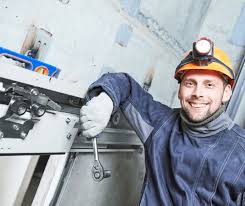
Elevator repair services in involve diagnosing and fixing issues with vertical transportation systems. This includes anything from minor glitches to major component failures. Finding qualified technicians is key to ensuring safety and proper function.
Cost varies based on the repair needed.
Understanding Elevator Repair
Elevators are complex machines. They use many parts to move people safely. When one part has trouble, the whole system can stop.
Elevator repair means fixing these parts. It’s about getting the elevator working again. This needs skilled people who know about elevators.
There are many reasons an elevator might need fixing. Sometimes it’s a simple thing. Other times it’s a big problem.
You might notice strange noises. Lights might flicker. Or the doors might not open right.
These are all signs that help is needed.
Technicians check many things. They look at the motor. They check the cables.
They test the doors and safety systems. They also check the control panel. It’s a thorough process.
The goal is always safety. And making sure the elevator runs smoothly.
My Elevator Story: The Day the Music Stopped
I remember a time when my building’s main elevator went out. It was a Tuesday afternoon. I was on the fourth floor, heading down to grab a quick lunch.
I pressed the call button. Nothing happened. I pressed it again.
Still nothing. Then I heard a faint buzzing sound. It was coming from inside the shaft.
A knot of worry tightened in my stomach. I pictured myself stuck. Or worse, the elevator failing while someone was inside.
I could hear a few other people in the lobby also waiting. The buzzing stopped. Then a little clunk.
The elevator didn’t budge. I saw my neighbor, Mrs. Gable, leaning over the railing, looking worried.
That’s when I knew we had a real problem. It wasn’t just a little hiccup. It was a full stop.
I pulled out my phone. My first thought was to call building management. But I also knew they’d need to call elevator repair specialists.
I hoped they’d act fast. The thought of this going on all day felt heavy. It impacts everyone in the building.
Common Elevator Issues
Door Problems: Doors not opening or closing fully. Sometimes they stop halfway. This is a common safety concern.
Strange Noises: Grinding, squealing, or banging sounds. These often point to worn parts.
Jerky Movements: The elevator jolts or shudders. This can be from issues with the motor or leveling system.
Not Responding: Buttons don’t work. The car doesn’t move.
Slow Operation: The elevator takes too long to move between floors.
Why Elevators Need Regular Care
Think of your car. You get oil changes. You check the tires.
Elevators need similar care. This is called preventive maintenance. It helps catch small issues before they become big ones.
It’s a key part of keeping them safe and working well.
Manufacturers and safety rules often require this. It’s not just a suggestion. Regular checks find problems early.
This saves money in the long run. It also prevents downtime. No one wants an elevator to break down unexpectedly.
A good maintenance plan includes daily checks. It also has monthly and yearly inspections. A technician will look at everything.
They lubricate parts. They adjust systems. They replace parts that are worn out.
This keeps the elevator running smoothly.
Types of Elevator Repairs
- Minor Adjustments: Fixing door sensors or leveling issues.
- Component Replacement: Swapping out worn-out parts like buttons, cables, or motors.
- System Overhauls: Major work on the control system or drive unit.
- Emergency Repairs: For breakdowns that happen suddenly.
Finding the Right Elevator Repair Service in
When your elevator breaks, you need help fast. But not just any help. You need good help.
Here’s how to find trusted elevator repair services in .
Ask for Recommendations: Talk to building managers or owners in your area. They often know who the reliable companies are. Word of mouth is powerful.
Check Online Reviews: Look at reviews on Google, Yelp, or other sites. See what past customers say. Pay attention to comments about response time and quality of work.
Look for Certifications: Good companies will have certifications. They might also be members of industry groups. This shows they follow standards.
Get Multiple Quotes: For bigger jobs, always get more than one estimate. Compare prices and what’s included. Don’t just pick the cheapest.
Quality and trust matter most.
Ask About Experience: How long has the company been in business? Do they have experience with your type of elevator? This is very important.
Emergency Services: Does the company offer 24/7 emergency service? For many buildings, this is a must-have. You need help anytime, day or night.
When to Call for Elevator Repair
Sudden Breakdowns: If the elevator stops working completely.
Safety Concerns: If you hear loud noises, smell smoke, or the elevator acts erratically.
Persistent Issues: If a small problem keeps coming back.
After an Event: Following a power surge or minor earthquake, it’s good to have it checked.
Cost of Elevator Repair
The cost of elevator repair can vary a lot. It depends on what’s wrong. A simple fix might only cost a few hundred dollars.
A major repair or part replacement could cost thousands.
Factors Affecting Cost:
- Type of problem: Door issues are often cheaper than motor problems.
- Parts needed: Some parts are more expensive than others.
- Labor costs: Technicians charge by the hour.
- Urgency: Emergency calls often have higher fees.
- Age of elevator: Older elevators might have harder-to-find parts.
- Location: Prices can differ by region. might have different rates than a smaller town.
Many companies offer service contracts. These contracts cover regular maintenance and sometimes repairs. They can help predict costs.
They also ensure your elevator gets looked after. Always ask about these options.
Understanding Elevator Parts
| Part | What it Does | Common Issues |
|---|---|---|
| Motor/Drive | Powers the elevator’s movement. | Overheating, strange sounds, failure to run. |
| Cables/Ropes | Lift and lower the car. | Wear and tear, fraying. |
| Doors (Car & Hall) | Allow passengers to enter and exit. | Not opening/closing, getting stuck, safety edge failure. |
| Control Panel/Buttons | User interface for selecting floors. | Buttons not responding, indicator lights out. |
| Sensors | Detect obstacles, ensure doors close safely. | Doors reopening, not closing. |
Emergency Elevator Repair in
When an elevator breaks down, especially in a busy building, it can cause a lot of disruption. For businesses, it can mean lost productivity. For residents, it’s a major inconvenience.
That’s why emergency elevator repair is so important.
A true emergency repair means fixing the problem quickly. It often happens outside of normal business hours. This could be at night, on weekends, or on holidays.
Companies that offer 24/7 service are vital in these situations.
When you call for emergency service, be ready to describe the problem. The technician will ask questions to understand the situation. They need to know what happened and what you’ve observed.
This helps them prepare. They can bring the right tools and parts.
It’s wise to have a list of trusted emergency repair numbers. Post them in the elevator machine room or building manager’s office. Knowing who to call beforehand saves precious time.
It reduces stress when an emergency strikes.
What to Do if Stuck in an Elevator
Stay Calm: Panicking won’t help. Take deep breaths.
Use the Call Button: Press the alarm or call button. This connects you to help.
Use Your Phone: If the call button doesn’t work, use your cell phone. Call building management or emergency services.
Do NOT Force Doors: Never try to pry open the doors. This is dangerous.
Wait for Help: Trained professionals will get you out safely.
Preventive Maintenance vs. Emergency Repair
It’s helpful to understand the difference between these two. Preventive maintenance is planned. It’s about stopping problems before they happen.
It includes regular inspections and lubrication. It’s like getting your flu shot. It helps you avoid getting sick.
Emergency repair is unplanned. It’s for when something breaks suddenly. This can happen even with good maintenance.
But regular care reduces the chances of major breakdowns. It makes the elevator more reliable overall.
A good elevator service company will offer both. They’ll have a maintenance plan for you. And they’ll be ready for emergency calls.
This gives you peace of mind. You know your elevator is being looked after. And that help is there if you need it.
Elevator Service Contract Benefits
Scheduled Checks: Ensures regular inspections.
Priority Response: Often get faster service when issues arise.
Reduced Downtime: Catching problems early prevents bigger failures.
Cost Control: Predictable maintenance fees, sometimes cover minor repairs.
Expert Advice: Technicians can offer insights on upgrades or future needs.
What Does “Out of Service” Really Mean?
When you see a sign that says “Out of Service,” it means the elevator is not safe to use. It could be for a minor issue or something serious. The building owner or management team decided to take it out of service.
This is usually done for safety reasons.
Sometimes it’s just a temporary fix. Maybe a sensor is acting up. Or the doors are sticking.
The repair crew might be on their way. The sign stays up until the problem is fully resolved. And the elevator is tested and deemed safe again.
Other times, “Out of Service” means a bigger job is needed. Parts might have failed. Or the whole system needs an upgrade.
This can take longer. It’s always best to trust the sign. Do not try to use an elevator that is out of service.
Safety and Regulations
Elevator safety is a huge deal. In the U.S., there are strict rules. These are set by national and state bodies.
They ensure elevators are built and maintained to high standards. The American Society of Mechanical Engineers (ASME) has codes for elevators. These codes cover design, installation, and maintenance.
Building owners are responsible for making sure their elevators meet these standards. They must have regular inspections. These inspections check that everything is working correctly.
And that safety features are active.
When you hire an elevator repair company, ask if they follow these codes. Reputable companies always do. They understand the importance of safety.
They will not cut corners. This is another reason to choose certified and experienced technicians.
When is it Time for a New Elevator?
Sometimes, repairs aren’t enough. An elevator might be very old. It might need constant fixing.
Or the technology might be outdated. In these cases, replacement might be the better option.
Replacing an elevator is a big project. It costs more upfront than repairs. But it can save money in the long run.
New elevators are more energy-efficient. They require less maintenance. And they have the latest safety features.
Signs that replacement might be needed:
- Frequent breakdowns: If you’re calling for repairs too often.
- High repair costs: If repair bills are adding up quickly.
- Outdated technology: Old systems may be less reliable or efficient.
- Safety concerns: If it’s hard to get parts for safety systems.
- Building upgrades: If the building itself is undergoing major renovations.
A good elevator service company can assess your current elevator. They can tell you if repairs are sufficient. Or if a replacement is a smarter choice for your building.
Frequently Asked Questions About Elevator Repair
How often should elevators be inspected?
In the U.S., there are national standards and state laws. Many places require annual inspections. Some may require them more often, depending on the elevator’s age and usage.
Building owners should check local regulations.
What is the average cost for an elevator repair?
The cost varies greatly. A simple fix might be $200-$500. Replacing a part like a door operator could be $1,000-$3,000.
Major component replacement or system upgrades can cost $5,000-$20,000 or more. Always get an estimate.
Can I fix my elevator myself?
No, absolutely not. Elevators are complex and dangerous machines. Only trained and certified technicians should perform repairs.
Attempting to fix it yourself can lead to serious injury or death, and void any warranties.
What’s the difference between hydraulic and traction elevators?
Hydraulic elevators use a piston and fluid to move. They are typically used for shorter buildings (up to 5-6 floors). Traction elevators use cables and a pulley system driven by a motor.
They are used for taller buildings.
What are the most common elevator problems?
The most common issues are with the doors – not opening, closing, or leveling correctly. Other frequent problems include strange noises, jerky movements, and the elevator not responding to commands.
How long does an elevator repair usually take?
Simple repairs can sometimes be done in a few hours. More complex issues requiring special parts might take a day or two. Major overhauls or replacements can take weeks.
Conclusion: Keeping Your Elevator Moving
Taking care of your elevator means understanding its needs. Regular checks and timely repairs are key. They keep people safe.
They keep things running smoothly. Finding a good repair service in is important. Look for experience, reliability, and good communication.
This ensures your elevator serves you well for years to come.