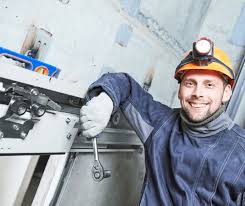
![freight elevator repair specialists [city]](https://servicelift.org/wp-content/uploads/2026/05/Freight-Elevator-Repair-Specialists-City.jpg "Freight Elevator Repair Specialists [City]")
Dealing with a broken freight elevator is a huge headache. It stops everything. Goods can’t move.
Your business slows down. You need it fixed fast. But finding the right repair person can be tricky.
This guide will help you understand freight elevator repair. We’ll talk about what makes a good specialist. We’ll cover common problems too.
You’ll learn how to get your elevator running smoothly again.
Finding trusted freight elevator repair specialists in is key to keeping your business moving. This guide explains how to spot quality service, common lift issues, and the importance of expert help to prevent costly downtime.
Understanding Freight Elevator Repair Needs
Freight elevators are workhorses. They carry heavy loads all day. This constant use means they need regular care. When they break, it’s more than just an inconvenience. It can halt your entire operation. That’s why knowing about repair is so important.
These elevators have strong parts. They are built for tough jobs. But even tough parts wear out. Cables fray. Motors strain. Doors get stuck. Safety systems might fail. All these things need expert attention. You can’t just have anyone fix them. They need specialists who know the ins and outs of these big machines.
Think about what happens when your elevator stops. Deliveries pile up. Workers have less to do. Your customers might not get their orders on time. This costs money. It can hurt your reputation too. So, getting repairs done right is vital. It’s about keeping your business running. It’s about safety too. A faulty elevator can be dangerous.
What Makes a Good Freight Elevator Specialist?
A good specialist isn’t just someone who can swing a wrench. They have specific skills. They understand the complex systems of freight elevators. They have experience with different brands and models. Safety is also a big deal for them.
Look for certifications. These show they know the rules. They follow safety standards. Ask about their training. Do they fix only freight elevators? Or do they do passenger elevators too? A specialist focused on freight lifts will know them better. They will understand the unique stresses these elevators face.
Experience matters. How long have they been doing this work? Have they handled problems like yours before? A good company will have good reviews. They will be able to offer references. They should also be licensed and insured. This protects you if something goes wrong.
Common Freight Elevator Problems
Freight elevators can have many issues. Some are simple. Others are complex.
One common problem is elevator not leveling. This means it stops a little too high or too low at a floor. It’s a safety hazard. It can also make moving goods difficult.
Another issue is door problems. The doors might not open or close right. They might jam. This could be due to worn rollers, misaligned tracks, or a faulty sensor.
You might hear strange noises. Grinding, squealing, or banging sounds are bad signs. They often point to worn parts in the motor, gearbox, or hoist.
Slowed performance is also common. The elevator moves slower than it should. This can be a sign of motor issues or problems with the control system.
Brakes are critical. If the elevator doesn’t stop properly, or if it creeps after stopping, the brakes need immediate attention.
Lighting and control panels can also fail. This makes it hard to use the elevator. It can also hide other, more serious problems.
My Own Freight Elevator Scare
I was managing a warehouse a few years back. We had a big freight elevator. It was old but reliable. Or so I thought. One Tuesday morning, it just wouldn’t start. The lights were on, but nothing happened when we pressed the buttons. Panic started to set in. We had a huge shipment due that afternoon.
I called our usual maintenance guy. He was good with regular checks. But this was different. He tinkered for an hour. He scratched his head a lot. He told me it looked like a major electrical issue. He wasn’t the guy for that. He recommended a specialist. I was frustrated. The clock was ticking.
I spent the next two hours on the phone. I called three different places. One didn’t call back. Another gave me a quote that seemed too high. The third one, a company called Apex Lift Services, sounded promising. They were local and said they specialized in freight lifts. They promised someone could come out that same day.
The technician arrived late afternoon. He was calm and professional. He had a big toolbox and a focused look. He spent nearly three hours inside the elevator shaft and control room. I watched nervously, picturing lost sales. Finally, he came out. He explained the main control board had a fried relay. It was a complex fix. He had to replace it and re-calibrate the system. He said it was lucky we didn’t try to force it. A wrong move could have damaged more.
The elevator was fixed just before 5 PM. The shipment arrived at 5:30 PM. We were able to load it thanks to Apex. That day taught me a lot. It showed me the value of true specialists. It also taught me that calling the right person early saves time and money.
Key Checks Before Calling a Specialist
Sometimes, a small issue can be fixed easily. Before you call for help, check these simple things:
- Power: Is the elevator on? Check the main breaker for the elevator.
- Doors: Are all doors fully closed? Elevators won’t move if doors aren’t shut tight.
- Obstructions: Is anything blocking the doors or the shaft? Small items can cause big problems.
- Emergency Stop: Is the emergency stop button pressed? Make sure it’s out.
If these aren’t the issue, it’s time to call in the experts.
When Is It Time to Call the Experts?
You might wonder when a problem is small enough to ignore for a bit. And when is it a real emergency? The answer is usually: if you’re not sure, call the experts. Safety is the top concern.
If you hear loud noises, it’s time. Grinding, banging, or screeching sounds mean something is wrong. These aren’t normal elevator sounds. They could mean a part is about to break.
If the elevator stops working suddenly, call right away. This is especially true if it stops between floors. Never try to force open doors or move the car yourself. This is very dangerous.
Any issue with the brakes needs immediate attention. If the car rolls back slightly after stopping, or if it feels like it’s not holding, call a specialist at once.
Problems with the control panel or indicators are also important. If the lights flicker, or if the floor indicators are wrong, it could mean electrical trouble. This can lead to bigger failures.
Even slow performance can be a sign. It means the motor might be working too hard. This can lead to overheating or damage. It’s better to fix it before it fails completely.
The Role of Preventative Maintenance
Preventative maintenance is key. It’s like going to the doctor for check-ups. It helps catch problems early. Specialists can identify small wear and tear. They can fix it before it becomes a big, costly issue.
Regular checks include lubricating parts. They check cables for wear. They test safety features. They clean out dust and debris. This keeps the elevator running smoothly. It also makes it last longer.
A good maintenance plan can save you money. It prevents unexpected downtime. It avoids emergency repair costs, which are often higher. It also keeps your elevator safe for everyone who uses it. Think of it as an investment.
Types of Freight Elevator Systems
Freight elevators aren’t all the same. Understanding the type can help when you talk to a repair specialist.
Hydraulic Elevators: These use a piston and fluid to lift the car. They are slower but can handle very heavy loads. They are often found in low-rise buildings.
Traction Elevators: These use cables and a motor to move the car. They are faster and used in taller buildings. They can be geared or gearless.
Machine-Room-Less (MRL) Elevators: Newer systems where the motor and controls are inside the shaft. This saves space.
Specialists know how to work on all these types.
Choosing the Right Repair Specialist in
Picking the right company is crucial for good repairs. In , you have options. How do you pick the best one for your freight elevator?
Start with local searches. Look for companies with good online reviews. Check their websites. Do they seem professional? Do they clearly state they handle freight elevators?
Ask for references. A reputable company will give you names of past clients. Call those clients. Ask them about their experience. Were they happy with the service? Was the repair done on time?
Check their credentials. Are they licensed? Are they insured? This is very important. It protects you from liability. It also shows they are a serious business.
Ask about their emergency services. Freight elevators can break at any time. Do they offer 24/7 emergency repair? What is their response time? This can be vital for your business.
Get a written estimate. Don’t rely on phone quotes. A good specialist will inspect the elevator. They will give you a detailed breakdown of costs. This includes parts and labor.
Don’t always go for the cheapest option. The lowest price might mean lower quality parts or less experienced technicians. Think about value, not just cost. A slightly more expensive but reliable repair will save you money in the long run.
What to Expect During a Repair Visit
When the specialist arrives, they will likely start with an inspection. They will check the elevator’s system. This includes the car, the shaft, and the machine room. They will listen for noises. They will test controls and safety features.
Once they find the problem, they will explain it to you. They should tell you what needs to be done. They will give you an estimate. If it’s a simple fix, they might do it on the spot. If it needs parts or more time, they will schedule it.
They should work safely. They will follow all safety rules. They will likely rope off the area. They will use proper equipment.
After the repair, they should test the elevator. They will make sure it’s working correctly. They will explain what they did. They might offer advice on maintenance.
Always ask for a service report. This document details the work performed. It lists the parts used. It’s good for your records. It’s also proof of the repair.
Signs of a Reliable Repair Company
- Clear Communication: They explain things simply. They answer your questions.
- Professionalism: Technicians are polite and tidy. They show up on time.
- Written Estimates: They provide detailed quotes before work starts.
- Warranties: They offer a warranty on parts and labor.
- Emergency Support: They are available when you need them most.
Real-World Scenarios and Solutions
Let’s look at a few common problems and how specialists tackle them.
Scenario 1: The elevator doors are not closing properly. They stop halfway or open again.
What happens: This could be a sensor issue. A sensor might be dirty, damaged, or misaligned. The door tracks could be bent or obstructed. The door operator itself might be failing.
How a specialist fixes it: They check all sensors. They clean or replace them. They inspect the door tracks for damage. They might lubricate rollers. If the operator is the issue, they may repair or replace it.
Scenario 2: The elevator is making a loud grinding noise when it moves.
What happens: This usually means metal-on-metal contact. It could be the hoist motor. It might be the gearbox. Worn bearings are a common cause. It could also be the sheave that the cables run on.
How a specialist fixes it: They will listen to the noise. They will try to pinpoint its source. They will inspect the motor and gearbox. They will check bearings for wear. They may need to replace worn parts. This is often a job that requires specialized tools.
Scenario 3: The elevator suddenly stopped between floors.
What happens: This is a serious safety issue. It could be a power failure. It could be a safety brake engaging. It might be a problem with the controller.
How a specialist fixes it: First, they ensure everyone is safe. They will not attempt to force the doors. They will use emergency tools to safely bring the car to the nearest landing. Then, they will diagnose the cause. This could involve checking electrical systems, safety circuits, and mechanical components. This is an emergency call.
Scenario 4: The elevator is moving very slowly.
What happens: The motor might be losing power. The controller might be sending less power. There could be too much friction in the system. Worn brake components might drag.
How a specialist fixes it: They will check the motor’s performance. They will test the controller settings. They will inspect the braking system. They will look for any signs of excessive friction in the rails or rollers. Adjustments or replacement of parts may be needed.
Quick Fixes vs. Expert Repairs
Quick Fixes (Owner can often do):
- Check if the emergency stop button is out.
- Ensure all doors are completely shut.
- Look for obvious obstructions near doors.
Expert Repairs (Always call a specialist for):
- Strange noises (grinding, squealing).
- Sudden stops or failure to move.
- Brake issues or car creep.
- Electrical problems or control panel errors.
- Anything you are unsure about.
What This Means for Your Business
A well-maintained freight elevator is an asset. A broken one is a liability. Understanding repair needs means you can plan better.
It means you can budget for maintenance. Regular checks are cheaper than emergency fixes. You can schedule repairs during off-peak hours. This minimizes disruption.
It means you can choose the best specialist. You aren’t forced to pick the first company available in an emergency. You can research. You can compare. You can find a trusted partner.
It means you can ensure safety. Your employees and any visitors are safe. This avoids accidents. It also avoids potential lawsuits.
It means your operations run smoothly. Goods move on time. Deliveries are made. Your business can operate at full speed. This leads to happier customers and more profit.
When to Consider a Full Replacement
Sometimes, repairs just aren’t enough. If your elevator is very old, parts might be hard to find. The cost of repeated repairs can add up. It might be more cost-effective to replace the entire unit.
A modern elevator is more efficient. It’s safer. It has better technology. It can be more reliable. A specialist can assess your elevator. They can advise if replacement is a better option than repair. They can help you choose a new system that fits your needs.
Frequent Questions About Freight Elevator Repair
How often should freight elevators be inspected?
In the U.S., freight elevators typically need a thorough inspection at least once a year. Some cities or states might have stricter rules. It’s best to check local regulations.
Many companies also recommend more frequent checks as part of a maintenance plan. This helps catch small issues before they become big problems. Regular maintenance can prevent costly repairs.
What is the average cost of freight elevator repair?
The cost can vary a lot. A simple fix like a sensor replacement might cost a few hundred dollars. A major repair, like replacing a motor or control board, could cost several thousand dollars.
Emergency calls often have higher rates too. Getting a written estimate after an inspection is the best way to know the exact cost for your situation.
Can I use a regular elevator repair company for a freight elevator?
It’s usually best to use a company that specializes in freight elevators. Freight lifts are built differently. They handle different loads and stresses than passenger elevators.
A specialist has the right knowledge and tools for these heavy-duty machines. They understand the unique safety standards for freight lifts.
What are the most common parts that need repair on a freight elevator?
Common parts that need repair include door sensors and operators, control boards, brake systems, hoist motors, and hydraulic pumps (for hydraulic lifts). Cables can also wear out over time. Regular maintenance helps identify these parts before they fail completely.
How long does a typical freight elevator repair take?
A simple repair might take a few hours. More complex jobs could take a full day or even several days. It depends on the issue.
It also depends on whether special parts need to be ordered. A good specialist will give you an estimate of the repair time.
What is the lifespan of a freight elevator?
With proper maintenance, a freight elevator can last for many years, often 20 to 30 years or even longer. However, as they age, parts become harder to find. Repairs might become more frequent and costly.
Eventually, replacement becomes a more sensible option for efficiency and safety.
Conclusion
Keeping your freight elevator in top shape is important for your business. It means choosing the right repair specialists. It means understanding common problems. And it means taking care of your elevator with regular maintenance. By being proactive, you can avoid costly downtime. You can ensure the safety of everyone who uses your elevator. Don’t wait for a breakdown. Invest in reliable service today.