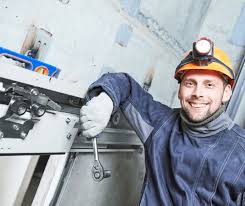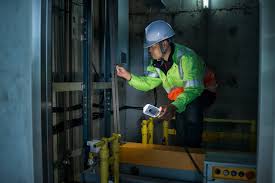
The average annual elevator safety inspection cost can range widely, typically from $200 to $600 per elevator. This covers the mandatory check of safety features. The price depends on your location, elevator type, and the complexity of the system.
Regular inspections prevent costly breakdowns and ensure passenger safety.
Understanding Your Elevator’s Annual Safety Check
Every elevator needs a safety inspection each year. This is a rule in most places. Think of it like a car’s annual check-up.
It’s not just about fixing things that are broken. It’s about finding small issues before they become big problems. These inspections look at all the parts that keep you safe when you ride.
This includes things like the doors. Are they opening and closing just right? It checks the brakes.
Do they grab fast when they need to? It also looks at the emergency stop. Does it work every time?
The lights and alarms are checked too. Even the emergency phone line gets a test. The whole goal is to make sure the elevator is working as it should.
The inspectors are trained pros. They follow a strict checklist. This checklist is set by safety rules.
They look for anything that might be a danger. This could be wear and tear. It could be something loose.
Or it could be a part that’s not working right. They need to make sure the elevator meets all the safety standards.
Why is this so important? Because elevators move people. People trust them to be safe.
An accident can be very serious. Regular checks help prevent these accidents. They also help your elevator last longer.
It’s an investment in safety and the life of the equipment.
Why These Inspections Cost What They Do
So, you see the price for an elevator inspection. You might ask, “Why so much?” Or maybe, “Why so little?” The cost isn’t just a random number. Several things make up the total price you see.
First, there’s the time of the inspector. These are skilled people. They know elevators inside and out.
They need to be trained and certified. This training takes time and money. Their hourly rate reflects their knowledge and expertise.
They need to be very careful and thorough.
Then, there’s the actual work they do. They don’t just walk around and look. They often bring tools.
They might test parts. They might need to access certain areas. This takes time and effort.
Some elevators are much harder to get to or test than others.
The type of elevator matters too. A simple freight elevator might be quicker to check. A fancy passenger elevator with many features could take longer.
Some buildings have older elevators. These might need more attention because parts could be harder to find or more worn out. Newer elevators have complex computer systems that also need checking.
Location plays a big part. If you live in a big city, labor costs are usually higher. If you’re in a rural area, a company might have to travel farther.
This travel time and gas add to the cost. The demand for inspectors in your area also affects the price.
Finally, there are the compliance and reporting costs. The inspection company has to keep records. They need to report findings to the authorities.
This paperwork takes time. They also have insurance to cover their work. All these things add up to the final price you pay for the inspection.
My Own Elevator Scare and the Importance of Checks
I remember one time vividly. I was visiting a client’s older office building downtown. It was a Friday afternoon.
I stepped into the elevator, and it felt… off. Not a big thing, just a slight jolt as the doors closed. Then, as it started to move, there was a weird, grinding noise.
My stomach did a flip.
For a split second, I felt that icy grip of panic. Were we going to get stuck? Was it going to fall?
I know it sounds dramatic, but in that moment, all those thoughts flashed through my mind. The elevator shuddered again, a little harder this time. Then, with a final lurch, it stopped between floors.
We weren’t stuck for long, maybe five minutes, before the maintenance team got us moving again. But that feeling stuck with me. It was a stark reminder that these machines, which we use without a second thought, need constant care.
That building’s elevator clearly hadn’t had its checks done as regularly as it should. A small issue, like a slightly worn cable or a sticky pulley, could have turned into a real disaster. It made me a huge advocate for regular, professional elevator maintenance.
It’s not just a bill; it’s peace of mind and, more importantly, safety.
Common Inspection Items
Doors: Checked for smooth operation and safety sensors. They must close properly and not pinch. Safety edges and photo eyes are tested.
Brakes: Verified to engage quickly and securely. This stops the elevator.
Cables/Ropes: Inspected for wear and tear. These hold the car up.
Car Controls: Buttons and indicators must work. The emergency stop is a key part.
Safety Devices: Governors and buffers are tested. These help in emergencies.
Lighting & Ventilation: Car lighting and fan must function. Emergency lighting is crucial.
Communication System: The emergency phone or alarm must work.
Factors That Influence Inspection Costs
We’ve talked about general reasons for the cost. Now, let’s dive a bit deeper. What specific things can make your bill go up or down?
It’s like shopping for anything else; not all services are priced the same.
Elevator Type and Age: As I mentioned, newer elevators with fancy tech might cost more to check. Older elevators can also cost more if they have unique parts or are harder to service. A simple residential elevator might be less than a complex hospital bed lift.
Number of Elevators: If your building has multiple elevators, the company might offer a discount per elevator. However, the total bill will naturally be higher. It’s still more efficient for them than visiting one elevator at a time.
Location and Accessibility: Being in a major city usually means higher labor costs. If your building is hard to reach, or if the elevator is in a very high or low part of a tall building, getting there can add time and expense. Sometimes, special equipment is needed.
Local Regulations: Some states or cities have stricter rules. They might require more detailed checks or more frequent inspections. This can increase the cost.
The rules are there to keep people safe, so it’s worth it.
The Inspection Company: Different companies have different pricing structures. Some might charge more for their premium service. Others might have lower rates but offer fewer perks.
It’s good to get a few quotes to compare.
Maintenance Contracts: Often, the inspection is part of a larger maintenance contract. If you have a full service plan, the inspection cost might be bundled in. This can sometimes make it seem cheaper or more predictable.
Urgency: If you need an inspection done very quickly, outside of normal business hours, or if there’s a special circumstance, you might pay an extra fee for rush service.
Knowing these factors helps you understand your own bill. It also helps you when you’re getting quotes from different companies.
Quick-Scan Cost Factors
- Elevator: Type, age, complexity
- Quantity: How many elevators in the building
- Location: City vs. rural, building access
- Rules: State and local codes
- Provider: Company rates and services
- Service Plan: Included in a contract?
- Timing: Rush jobs cost more
What Happens if an Elevator Fails Inspection?
It’s rare for a well-maintained elevator to fail its annual safety inspection completely. However, if it does happen, it’s important to know what follows. The elevator will be taken out of service immediately.
This is for everyone’s safety. You won’t be able to use it until the issues are fixed.
The inspector will provide a detailed report. This report lists all the problems found. It will tell you what needs to be repaired or adjusted.
The building owner or manager then needs to hire a qualified elevator repair company. They must fix all the identified issues.
Once the repairs are done, a follow-up inspection is usually required. This re-inspection checks that the fixes are done correctly. The cost of this re-inspection might be extra.
It depends on the company and the complexity of the repairs.
Not fixing these issues can lead to fines. It can also lead to the elevator being permanently shut down until it’s brought up to code. This is why preventative maintenance is so key.
It helps avoid these costly and inconvenient situations.
The authorities will want to see proof that the elevator is now safe. They might require specific documentation from the repair company. The goal is always to get the elevator back in safe working order as quickly as possible.
But safety always comes first. No one wants to see an elevator operating when it’s not safe.
Contrast: Normal vs. Concerning Findings
Normal: Minor wear on a rubber seal. A small adjustment needed for door alignment. A light bulb needing replacement.
Concerning: Frayed or worn hoist cables. Malfunctioning brake system. Faulty emergency stop button.
Any issue affecting door safety.
Immediate Action: Concerning findings always mean the elevator is taken out of service. Normal items are noted for future maintenance.
Who Pays for Elevator Inspections?
Who is responsible for the bill? That depends on who owns the building. In most cases, the building owner or the property management company pays for the annual elevator safety inspection.
They are legally responsible for ensuring the elevator is safe to use.
If you rent an office space in a commercial building, the cost is usually passed down. It might be part of your base rent or a common area maintenance (CAM) charge. This is common for commercial properties.
The landlord manages the building’s upkeep, including safety features.
For residential buildings, like apartment complexes or condos, the cost is typically covered by the homeowner’s association (HOA) fees or building reserve funds. Residents indirectly pay for it through these fees. It’s part of the cost of living in a building with an elevator.
If you own a small business with its own building, then you directly pay for the inspection. It’s a business operating expense. It’s crucial to budget for this expense every year.
The key thing to remember is that the responsibility for ensuring safe operation always lies with the building owner or manager. They must ensure these inspections happen and that any necessary repairs are made. It’s a core part of maintaining a safe property.
Owner’s Responsibilities:
- Schedule annual inspections.
- Pay for inspections and any repairs.
- Maintain safety records.
- Ensure compliance with local codes.
- Address any failed inspection findings promptly.
Tips for Managing Elevator Inspection Costs
While you can’t avoid the cost entirely, there are ways to manage it effectively. Thinking ahead can save you money and hassle in the long run. It’s all about being smart with your maintenance.
Get Multiple Quotes: Don’t just go with the first company you call. Get at least three quotes from different, reputable elevator service companies. Compare not just the price but also what is included in the service.
Make sure they are licensed and insured.
Consider a Maintenance Contract: Many companies offer annual maintenance contracts. These often include the safety inspection. They also cover routine checks and minor repairs.
This can provide predictable costs and potentially lower overall expenses compared to paying for everything separately. It also ensures regular service.
Preventative Maintenance is Key: The best way to control costs is to prevent major problems. Regular preventative maintenance can catch small issues before they become expensive repairs. Address any minor problems reported by your tenants or building staff quickly.
Understand Your Elevator: Know the make, model, and age of your elevator. This information can help you get more accurate quotes. It also helps service companies understand potential issues they might encounter.
Read Your Contract Carefully: If you have a maintenance contract, review it each year. Understand what services are covered and what might be an extra charge. Make sure you’re getting what you’re paying for.
Budget Annually: Set aside a budget for elevator maintenance and inspections. This way, when the bill comes, it won’t be a surprise. It makes managing your property finances much easier.
By being proactive and informed, you can ensure your elevator is safe and that your costs are as reasonable as possible. It’s about partnership with your service provider.
Cost-Saving Insights:
Shop Around: Get several quotes before choosing a service provider.
Bundle Services: Explore maintenance contracts that include inspections.
Fix Small Issues: Address minor wear and tear early to avoid big repairs.
Stay Informed: Know your elevator’s specifics for better service.
Review Contracts: Understand all terms and conditions yearly.
Plan Ahead: Include elevator costs in your annual budget.
Real-World Scenarios and Their Costs
Let’s look at a couple of examples to make this more concrete. These are not exact prices, but they show how things can vary.
Scenario 1: A Small Office Building in a Suburban Area
This building has one standard passenger elevator that’s about 10 years old. The annual inspection is done by a local, reputable elevator service company. They perform all the required checks and submit the paperwork.
The cost might be around $350. If they find a minor issue, like a worn door roller, and fix it during the visit, the total might go up to $450. This is a straightforward case.
Scenario 2: A High-Rise Apartment Building in a Major City
This building has three elevators. They are newer models, but they are complex systems. The inspection company needs to travel into the busy city center, which has higher labor rates and sometimes parking costs.
They need to inspect all three elevators thoroughly. The cost for one elevator might be $500, so for three, it could be around $1,500. If one elevator needs a part replaced, like a sensor, that could add another $200-$300 to the bill for that specific unit.
Scenario 3: An Older Industrial Warehouse with a Freight Elevator
This building has an older, heavy-duty freight elevator. These can be more rugged but also sometimes have older technology that takes longer to inspect or requires specialized knowledge. The inspection might take longer.
The cost could be $400. If the inspection reveals that a gear mechanism needs adjustment, that could add $300 or more, depending on the complexity.
These examples show how the location, age, type of elevator, and any issues found can change the final price. It’s always best to get a detailed quote that breaks down what’s included.
What This Means for Building Owners and Managers
For building owners and property managers, understanding these costs is essential. It’s not just another line item on a budget. It’s a critical part of keeping your property safe and compliant.
Compliance: Meeting safety codes is not optional. Failing an inspection or not having one can lead to fines. It can also create liability issues if something goes wrong.
Tenant Satisfaction: Reliable elevators mean happy tenants. Frequent breakdowns or safety concerns can lead to complaints and even tenants leaving. A well-maintained elevator is a valuable amenity.
Property Value: A building with a history of good maintenance, including its elevators, can command higher rents and have a better resale value. It shows responsible ownership.
Risk Management: The primary reason for inspections is safety. A failed inspection or a preventable accident can lead to lawsuits, bad publicity, and significant financial loss. Investing in regular inspections is a form of risk management.
Budgeting: You need to accurately budget for these costs. It’s wise to factor in potential repair costs as well. A maintenance contract can help with this predictability.
Ultimately, the cost of an annual elevator safety inspection is a small price to pay for the safety of everyone who uses the elevator. It’s an investment in the building’s integrity and its occupants’ well-being.
Frequently Asked Questions About Elevator Inspections
What is the primary goal of an annual elevator safety inspection?
The main goal is to ensure the elevator is safe for public use. Inspectors check all safety features and make sure the elevator meets current safety codes and standards. This helps prevent accidents and malfunctions.
How often are elevators legally required to be inspected in the U.S.?
In most U.S. states and cities, elevators are required to have a safety inspection at least once a year. Some jurisdictions may require more frequent inspections depending on the elevator’s type or usage.
Can I perform my own elevator safety inspection?
No, you generally cannot perform your own safety inspection. These inspections must be done by a qualified, licensed, and certified elevator inspector. They follow specific protocols and have the necessary expertise and tools.
What happens if my elevator fails its inspection?
If an elevator fails an inspection, it will be taken out of service immediately. The inspector will provide a report detailing the issues. These problems must be repaired by a qualified elevator service company before a re-inspection can occur and the elevator can resume operation.
Does the cost of the inspection include repairs?
Typically, no. The inspection fee covers the labor and expertise of the inspector to assess the elevator’s safety. If any issues are found, the cost of repairs or part replacements will be separate, unless you have a comprehensive maintenance contract that includes such services.
Are elevator inspections more expensive for older elevators?
Older elevators can sometimes cost more to inspect and maintain. This is because they may have unique or harder-to-find parts. They might also show more wear and tear, requiring more time and attention from the inspector and repair technicians.
What is the difference between an inspection and routine maintenance?
An inspection is a formal check to ensure safety compliance and identify any immediate hazards. Routine maintenance is the ongoing upkeep of the elevator, including lubrication, adjustments, and cleaning. Inspections often happen annually, while maintenance can be weekly, monthly, or quarterly.
Final Thoughts on Elevator Safety
Keeping your building’s elevators safe is a top priority. The annual safety inspection is a key part of this. While there’s a cost involved, it’s a vital investment.
It protects lives, ensures compliance, and prevents much larger expenses down the road. Understanding the factors that influence the cost can help you budget wisely. Always partner with reliable service providers.
This ensures your elevators run smoothly and safely for everyone.