What is Platform Lift Maintenance?
Platform lift maintenance means taking care of these lifts regularly. It involves checking them often. It also means having experts look at them sometimes.
This is to make sure they work well. It’s like taking your car for oil changes. You do it so it doesn’t break down.
For school lifts, this means checking things like the doors, the platform itself, and the controls. We look for any signs of wear or damage. It’s all about keeping them safe for everyone who uses them.
Why is this upkeep so important? Schools have many people using these lifts every day. Students, teachers, and visitors may need them.
A broken lift can cause a lot of problems. It stops people from getting around. It can also be a safety hazard if it malfunctions.
So, regular checks help catch small issues before they become big, costly problems. This keeps the school running smoothly and inclusively.
Think about the different types of lifts. Some are inside buildings, and some might be outside. They all need care.
The environment can affect them. Rain, dust, or even heavy use can take a toll. Maintenance helps fight against these effects.
It’s a proactive step to prevent issues.
My Experience with a School Lift Issue
I remember one chilly Tuesday morning. I was helping a group of students get ready for a school trip. One of the students, Sarah, uses a wheelchair and relies on the platform lift to get to the main entrance.
We walked towards it, and I pressed the button. Nothing happened. The lights were on, but the platform stayed put.
A small wave of panic washed over me. Sarah and her friends were waiting. The bus was also waiting.
It felt like all eyes were on us, and the lift was letting us down.
I tried again, jiggling the button slightly. Still nothing. I could see the frustration on Sarah’s face, and it mirrored my own.
This lift was usually so reliable. I called the school office, my voice a little shaky. They said maintenance would be there as soon as possible.
But “as soon as possible” felt like an eternity when a student’s access is blocked. Thankfully, another teacher managed to help Sarah and her friends board the bus using a temporary ramp. It was a reminder of how vital these systems are.
That day, I understood even more deeply why regular, thorough maintenance is non-negotiable.
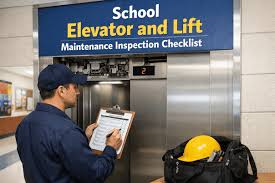
Essential Lift Checks: A Quick Look
Door Security: Make sure doors open and close easily. They should lock when the lift is moving.
Platform Level: The platform should always be level with the floor. It shouldn’t tilt or dip.
Emergency Stop: Test the emergency stop button. It must work instantly.
Control Panel: Check that all buttons are working and clearly marked.
Visual Inspection: Look for any loose parts or visible damage on the lift structure.
Why Regular Maintenance is Key for Schools
Schools have a special responsibility. They need to make sure everyone can get around. This is because of laws and just being fair.
Platform lifts are a big part of this. If a lift breaks, it stops students or staff from reaching classes or events. This is not just an inconvenience.
It can affect their education and their ability to participate fully. So, keeping these lifts working is about inclusion and equal opportunity.
Think about it like this: a school is a busy place. Equipment gets used a lot. This wear and tear can lead to problems.
Regular maintenance helps prevent these problems. It can catch a loose bolt or a worn-out wire before it causes a major issue. This saves the school money in the long run.
Big repairs are costly. Regular checks are much cheaper. They also prevent unexpected downtime.
This is super important for a school schedule.
Furthermore, safety is the top priority in any school. A faulty lift can be dangerous. A platform might stop suddenly.
Doors might not open correctly. These issues can cause injuries. Keeping the lifts in good working order means fewer risks for students and staff.
It’s about creating a secure environment for everyone. This builds trust and confidence in the school’s facilities.
Lift Components to Monitor
Motor & Drive System: This is the heart of the lift. It needs to be checked for smooth operation and any unusual noises.
Hydraulic or Screw System: Depending on the lift type, these parts require regular inspection for leaks or wear.
Cables & Pulleys: Ensure they are in good condition, not frayed, and properly tensioned.
Safety Sensors: These detect obstacles. They must be clean and fully functional.
Battery Backup: Essential for emergency lowering. Test this regularly.
Understanding Different Lift Types and Their Needs
Schools use various types of platform lifts. Each type has its own maintenance needs. Some lifts are vertical.
They move straight up and down. Others are inclined. They travel up a staircase.
The design affects how they work and what needs checking.
Vertical platform lifts often use a screw-and-nut system or hydraulics. Screw-driven lifts have a long threaded rod. The motor turns this rod, moving the platform.
These need lubrication and checks for wear on the screw threads. Hydraulic lifts use fluid pressure to lift the platform. They need checks for fluid leaks and the condition of the seals and pump.
Both types need their guide rails inspected to ensure smooth movement.
Inclined platform lifts are like stair lifts but carry a wheelchair. They travel along a rail attached to the stairs. These require attention to the rail itself.
Is it clean and free of debris? Are the wheels or tracks in good shape? The motor and drive mechanism also need regular checks.
Because they follow a sloped path, alignment is very important. Any slight deviation can cause jerky movements or wear the system down faster.
Regardless of the type, all lifts have safety features. These include door interlocks, safety edges, and emergency stops. These must be checked diligently.
A safety edge detects when something is in the path of the closing door or platform. A faulty one could trap someone. Door interlocks ensure the lift won’t move unless the doors are shut.
These are critical safety layers.
Types of Platform Lifts in Schools
Vertical Platform Lifts (VPLs): For shorter rises, like a few steps. Often enclosed cabins.
Inclined Platform Lifts (IPLs): Mounted on staircases. They fold up when not in use.
Residential Style Lifts: Simpler models sometimes used for single-story access challenges.
Wheelchair Ramps with Lifting Platforms: More like a short elevator for a few steps.
Who Should Perform the Maintenance?
This is a really important question. For platform lifts in schools, maintenance should ideally be done by trained professionals. These are people who know these specific lifts.
They have the right tools and knowledge. They understand the safety standards. Trying to do complex repairs yourself can be risky.
You might not fix the problem. You could even make it worse. Worse, you could create a safety hazard.
Many manufacturers offer service contracts. These contracts include regular visits from their technicians. This is often the best route.
It ensures the work is done by people who know the equipment inside and out. They can spot subtle issues that an untrained eye might miss. They also carry the correct spare parts.
This means repairs are done right the first time.
Schools can also have their own maintenance staff. However, these staff members need to be specially trained. They need certification to work on lifting equipment.
Regular lifts might be simple. But platform lifts have intricate safety systems. These need expert attention.
Daily visual checks by school staff are great. But deep mechanical and electrical checks are best left to the pros. This ensures compliance and maximum safety.
Maintenance Roles
Daily Checks: School staff (teachers, janitors) can do basic visual checks. Look for obvious damage.
Weekly Checks: A slightly more detailed look at controls and platform level.
Monthly Checks: Testing emergency functions and sensor systems.
Annual Servicing: Full inspection and servicing by a certified technician. This is critical.
The School’s Role in Maintenance and Compliance
Schools have a legal duty to provide safe access for everyone. This means they must comply with accessibility laws. In the U.S., laws like the Americans with Disabilities Act (ADA) are key.
These laws require that buildings are accessible. Platform lifts are a major part of making buildings accessible. Therefore, keeping them working is a legal requirement.
The school administration needs to budget for maintenance. This isn’t just an optional expense. It’s a necessary cost of running an inclusive institution.
They should create a maintenance schedule. This schedule should include both regular checks by staff and professional servicing. Keeping records of all maintenance is also vital.
This shows compliance if there’s ever an inspection or an incident.
It’s also about fostering a culture of safety. Staff should be trained on what to look for. They should know who to report issues to immediately.
Students should also be taught to report any problems they notice. This shared responsibility helps keep the lifts safe. It ensures that any potential hazard is addressed quickly.
This proactive approach benefits the entire school community.
Compliance Checklist
ADA Compliance: Ensure lifts meet all ADA specifications for platform size, load capacity, and controls.
Regular Inspections: Document all scheduled and unscheduled maintenance.
Qualified Technicians: Use only certified professionals for repairs and major servicing.
User Training: Brief staff on proper lift usage and reporting procedures.
Emergency Plans: Have clear procedures for lift failures.
Common Issues and How to Address Them
Even with good maintenance, lifts can have problems. Knowing common issues helps schools be prepared. One frequent problem is the lift not moving.
This could be due to a power issue. Check the circuit breaker. It could also be a problem with the motor or drive system.
Another issue is the lift making strange noises. Grinding or squeaking sounds often mean parts need lubrication. Or, they could indicate wear in the gears or motor.
These noises are a warning sign. They mean it’s time for a technician to investigate. Ignoring them can lead to a complete breakdown.
Doors that stick or don’t close properly are also common. This can be due to obstructions. Or, the door mechanism itself might need adjustment or repair.
Sensors that detect obstacles might also become dirty or misaligned. This makes them too sensitive or not sensitive enough. Cleaning them or recalibrating them is often the solution.
Sometimes, the lift might feel jerky or slow. This could point to issues with the hydraulic system. It might need fluid added or replaced.
Or, the drive belt or chain might be loose. These problems affect user comfort and safety. They need prompt attention from a qualified person.
Troubleshooting Quick Guide
No Power: Check power source, circuit breakers, and fuses. Ensure the lift is plugged in (if applicable).
Lift Won’t Move: Verify safety interlocks are engaged. Check emergency stop button. Look for error codes on the control panel.
Noisy Operation: Listen for grinding, squeaking, or rattling. This signals worn parts or lack of lubrication.
Jerky Movement: Could be low hydraulic fluid, air in the system, or a drive belt issue.
Door Problems: Check for obstructions. Inspect the door track and rollers.
The Lifespan of a Platform Lift and Replacement
Platform lifts are built to last. With good maintenance, they can serve a school for many years. Typically, a well-maintained lift can last between 10 to 20 years.
However, this lifespan can vary. It depends on the quality of the lift, how much it’s used, and the environment it’s in.
Factors like heavy usage in a busy school can shorten its life. Exposure to harsh weather conditions also plays a role. If a lift is constantly needing repairs, or the repairs are becoming very expensive, it might be time to consider replacement.
It’s often more cost-effective in the long run to invest in a new, modern lift than to keep patching up an old one.
When deciding to replace a lift, consider newer models. Modern lifts often have better energy efficiency and enhanced safety features. They might also be designed for easier maintenance.
Schools should plan for replacement as part of their long-term capital improvement budget. This ensures that accessibility features remain up-to-date and reliable.
Signs It’s Time to Consider Replacement
Frequent Breakdowns: If repairs are becoming common and costly.
Obsolete Parts: Difficulty finding spare parts for older models.
Safety Concerns: When the lift no longer meets current safety standards or feels unsafe.
Increased Noise/Roughness: Significant degradation in smooth operation.
Outdated Technology: Newer models offer better efficiency and features.
Cost of Maintenance and Budgeting
Budgeting for platform lift maintenance is essential for schools. The cost can vary widely. It depends on the type of lift, its age, and the service contract.
A basic service contract for a year might cost anywhere from $500 to $1,500. This usually covers routine checks and minor adjustments.
More comprehensive contracts might include priority service, longer warranties, and coverage for certain parts. These can cost more, perhaps $1,500 to $3,000 or more per year. The number of lifts in a school also affects the total cost.
Beyond contract costs, schools need to be prepared for unexpected repairs. If a major component fails, it could cost thousands of dollars to fix. This is why it’s wise to have a reserve fund for equipment maintenance and replacement.
Looking at the total cost of ownership over the lift’s lifespan is a smart approach. It helps in making informed budgeting decisions.
When comparing service providers, get quotes from multiple reputable companies. Understand exactly what each contract includes. Don’t just look at the price.
Look at the quality of service and the company’s reputation. Choosing a good provider can save money and headaches down the line.
Budgeting Tips
Annual Service Contracts: Essential for routine care.
Emergency Repair Fund: Set aside money for unexpected issues.
Long-Term Replacement Plan: Budget for eventual lift replacement.
Compare Quotes: Get multiple bids for service contracts and repairs.
Preventative Maintenance Savings: Investing in maintenance saves money on major repairs later.
Best Practices for School Platform Lift Management
Implementing best practices ensures that platform lifts are always ready for use. First, create a detailed maintenance log. This log should record every inspection, service, and repair.
It should include dates, who performed the work, and what was done. This log is crucial for tracking the lift’s history and for compliance.
Next, train all relevant staff. This includes teachers, school aides, and facility managers. They need to know how to use the lifts correctly.
They also need to know how to spot and report problems. This training should be updated regularly. Simple, clear instructions should be posted near the lifts.
Ensure clear signage. This includes operating instructions and emergency contact numbers. In case of a lift failure, people need to know who to call immediately.
This signage should be large and easy to read.
Finally, conduct regular safety audits. These audits can be done by school personnel or external safety consultants. They help identify any gaps in the maintenance program or any new safety concerns.
By following these best practices, schools can ensure their platform lifts are safe, reliable, and always available.
Best Practices Summary
Detailed Logbook: Track all maintenance activities.
Staff Training: Educate users and maintenance personnel.
Clear Signage: Instructions and emergency contacts readily visible.
Regular Audits: Periodically review safety and maintenance procedures.
Proactive Communication: Encourage reporting of any issues.
When is a Lift Issue Just Normal Wear and Tear?
It’s natural for any mechanical device to show signs of use over time. For platform lifts, a bit of noise during operation might be considered normal wear and tear, especially if it’s consistent and not getting worse. For example, a slight hum from the motor is expected.
A gentle squeak might indicate a need for lubrication, which is a routine maintenance task.
The platform itself might develop minor scuffs or scratches from wheelchairs and foot traffic. This is normal. As long as the platform’s structural integrity is sound and it remains level, these cosmetic issues are usually just part of its life.
Sensors might occasionally require a simple wipe-down to clear dust, which is also standard operating procedure.
The key is distinguishing between minor, manageable issues and signs of imminent failure or safety risks. A lift that starts to shake uncontrollably, makes loud grinding noises, or refuses to operate is not normal wear and tear. These are serious problems that need immediate attention from a professional.
Always err on the side of caution when you notice anything unusual.
Normal vs. Concerning Signs
Normal: Slight motor hum, minor cosmetic scuffs, occasional need for lubrication.
Concerning: Loud grinding, jerky movements, failure to stop, door malfunctions, error codes.
When to Worry and Call a Professional Immediately
There are clear signs that a platform lift issue is serious. If the lift makes loud, sudden grinding or clunking noises, stop using it immediately. This often points to a problem with the motor, gearbox, or drive mechanism.
These parts are critical and can cause significant damage if they fail completely.
If the lift platform moves erratically, shakes violently, or stops unexpectedly between floors, this is a major safety concern. Such behavior could lead to falls or entrapment. Any electrical issues, like sparks, burning smells, or complete power failure that isn’t a simple tripped breaker, also require immediate professional help.
These could indicate wiring problems or motor failure.
Malfunctioning safety features are another red flag. If the doors don’t lock properly when the lift is moving, or if the safety edges fail to detect obstructions, the lift is unsafe to use. Similarly, if the emergency stop button doesn’t work, or if the emergency lowering system fails, it’s a critical situation.
In any of these cases, the lift should be taken out of service and a qualified technician called right away.
Urgent Call-Out Scenarios
Loud Grinding/Clunking: Indicates severe mechanical stress.
Erratic Movement: Shaking, sudden stops, or uncontrolled drops are extremely dangerous.
Electrical Faults: Sparks, smoke, or total power loss beyond a simple breaker trip.
Safety System Failure: Doors not locking, safety edges unresponsive.
Non-Functioning Emergency Features: Stop button or lowering system failure.
Quick Fixes and Tips for School Staff
While major repairs need pros, school staff can handle a few simple tasks. First, keep the lift area clean. Clear away any trash, debris, or water.
A clean environment helps prevent obstructions and reduces wear on moving parts. Regularly wipe down the platform and controls with a damp cloth.
Check for obvious obstructions. Sometimes, a piece of paper or small object can get lodged in the door track. Gently remove anything that doesn’t belong.
Ensure the emergency stop button is easily accessible and not blocked by anything. Make sure the lift is not overloaded. Check the weight capacity listed on the lift.
If a lift shows an error code on its display, consult the user manual. Sometimes, the manual explains what the code means and if it’s something minor. If the lift seems to be slow, check if the doors are fully closed.
Sometimes, a slightly ajar door can affect operation. Report any issues promptly. Don’t wait for a small problem to become big.
Staff Quick Tips
Keep it Clean: Regularly sweep and wipe down the lift.
Clear Obstructions: Check door tracks and platform edges.
Respect Weight Limits: Do not overload the lift.
Know Your Manual: Understand basic error codes.
Report Issues Fast: Don’t delay in reporting problems.
Frequently Asked Questions About School Platform Lifts
How often should platform lifts in schools be inspected?
Platform lifts in schools should undergo thorough professional inspections at least once a year. Additionally, regular visual checks should be performed by school staff on a daily or weekly basis.
What are the typical safety regulations for school platform lifts?
School platform lifts must comply with accessibility standards like the Americans with Disabilities Act (ADA) in the U.S. These standards cover platform size, load capacity, control height, and safety features such as emergency stops and door interlocks.
Can a school staff member perform minor repairs on a platform lift?
While school staff can perform basic cleaning and ensure no obvious obstructions exist, minor repairs involving electrical or mechanical systems should only be handled by certified technicians to ensure safety and compliance.
What should a school do if a platform lift breaks down unexpectedly?
If a lift breaks down, it should be immediately taken out of service and clearly marked as out of order. The designated maintenance contact or a professional lift service company should be called immediately.
How does weather affect outdoor platform lifts at a school?
Outdoor lifts are more susceptible to weather. Rain, snow, and extreme temperatures can affect electrical components, cause corrosion, and lead to ice buildup. Regular cleaning and protective measures are crucial for these lifts.
What is the role of a service contract for school platform lifts?
A service contract provides scheduled maintenance, often includes emergency call-outs, and can offer priority service. It ensures the lift is regularly checked by trained professionals, helping to prevent breakdowns and maintain safety compliance.
Conclusion
Keeping school platform lifts in good working order is a vital task. It ensures safety, accessibility, and compliance. Regular checks and professional servicing are key.
This helps prevent costly repairs and keeps everyone moving freely. By understanding maintenance needs and following best practices, schools can provide reliable access for all. This creates a more inclusive and supportive learning environment.