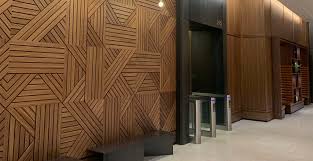
Elevator cab interior remodeling involves updating the look and feel of the inside of an elevator. This can include changing wall panels, flooring, lighting, and handrails. The goal is usually to improve aesthetics, functionality, and safety for passengers. This process often balances budget with desired outcomes.
Understanding Elevator Cab Remodeling
Elevator cabs are more than just boxes that move people. They are often the first impression a visitor gets of a building. A well-designed cab can say a lot.
It can speak to quality, care, and modernity. A worn-out or uninspired cab might suggest otherwise.
Remodeling can range from simple touch-ups to a complete overhaul. It’s about more than just looks, though. Safety and accessibility are also key factors.
The materials used must be durable. They need to stand up to heavy use. They also need to meet safety codes.
Think about the different types of buildings. An office building might want a professional, sleek look. A luxury apartment building might aim for elegance and comfort.
A hospital needs something that is easy to clean and sanitize. Each has its own needs. Understanding these needs helps shape the remodel.
Why Consider Remodeling Your Elevator Cab?
There are many reasons why someone would want to remodel an elevator cab. One of the biggest reasons is wear and tear. Over time, elevator interiors get scratched, dented, and stained.
High traffic areas show damage faster. Even the best materials can show age.
Another reason is to update the look. Trends in design change. What looked modern ten years ago might seem old today.
A fresh design can make a building feel more current. It can attract new tenants or buyers. It can also improve the experience for existing ones.
Safety is also a big driver. Old lighting might not be bright enough. Handrails might be loose or outdated.
Some older materials might not meet current fire codes. Upgrading these elements makes the elevator safer for everyone. It’s an important part of maintenance.
Sometimes, a remodel is part of a larger building renovation. When a whole building is updated, the elevator cab should match. It’s an integral part of the overall aesthetic.
Ignoring it can make the rest of the upgrades feel incomplete. It’s about creating a cohesive feel.
The Experience of a Recent Elevator Remodel
I remember helping a friend who managed a small office building downtown. The elevators were original to the building, which was about 30 years old. They were basic, with laminate walls that had seen better days.
The lighting was dim, and the floor was worn linoleum. It felt a bit gloomy every time I stepped inside.
My friend was getting complaints from tenants. People felt it was a bit embarrassing to bring clients into such an old-looking elevator. They decided it was time for a change.
The budget was tight, so they couldn’t do everything they dreamed of. They focused on the most impactful changes.
First, they
The flooring was updated too. They went with a commercial-grade, dark grey speckled vinyl. It’s tough and hides dirt well.
Finally, they added a new, modern handrail. It was simple but felt much sturdier than the old one. The difference was night and day.
Even with a limited budget, the new cab felt like a significant upgrade. It brought new life to the building’s entrance.
Key Benefits of a Modern Elevator Cab
Enhanced Aesthetics: A fresh design improves the building’s overall appeal. It makes a positive first impression.
Improved Passenger Experience: A comfortable and well-lit cab makes rides more pleasant. Good design reduces anxiety for some riders.
Increased Durability: Modern materials are often more resilient to damage. This means they last longer and look better over time.
Safety Upgrades: New lighting and updated handrails make the cab safer. Compliance with current codes is also ensured.
Higher Property Value: A well-maintained and modern building can attract higher rents. It can also increase property resale value.
Choosing the Right Materials for Your Cab
The materials you choose for your elevator cab are crucial. They affect durability, appearance, and cost. Let’s look at some common options.
Wall Panels
This is often the largest surface area in an elevator. What you choose here sets the tone.
- Stainless Steel: Very durable and modern. It resists scratches and is easy to clean. Available in different finishes like brushed, polished, or patterned. It can be costly.
- Laminate: A more budget-friendly option. Comes in many colors and patterns, mimicking wood or stone. Can scratch or chip over time with heavy use.
- Wood Veneer: Offers a warm, classic look. Can be beautiful but requires more care. Susceptible to scratches and water damage.
- Glass: Can make a small cab feel larger and more open. Often used as an accent or with a protective coating. Can be prone to smudges.
- Plastic/Resin Panels: Lightweight and can offer vibrant colors or unique designs. Durability varies greatly by product. Some are very tough.
Flooring
The floor takes a lot of abuse. It needs to be tough and easy to maintain.
- Vinyl (LVT/Commercial Grade): A popular choice. It’s durable, water-resistant, and comes in many designs. It’s also relatively inexpensive.
- Rubber Flooring: Excellent for slip resistance and shock absorption. Often used in high-traffic areas or where extra grip is needed. Can have a more industrial look.
- Carpet: Less common in commercial elevators due to cleaning and wear issues. Might be considered for luxury residential buildings. Needs very durable commercial-grade options.
- Stone/Tile: Very durable but can be heavy and expensive. The grout lines can be hard to clean. Needs to be installed by experts.
Ceilings and Lighting
Don’t forget the ceiling. Good lighting is essential.
- Ceiling Panels: Often made from metal or laminate to match walls. Some have integrated lighting.
- LED Lighting: Energy-efficient and long-lasting. Provides bright, even light. Different color temperatures are available. This is the modern standard.
- Recessed Lighting: Creates a clean look. Can be directional to highlight features.
- Integrated Fixtures: Lights built directly into the ceiling panels. Offers a seamless appearance.
Quick-Scan Flooring Options
| Material | Pros | Cons |
|---|---|---|
| Vinyl | Durable, affordable, many designs | Can scratch, seams can wear |
| Rubber | Slip-resistant, good grip | Can look industrial, cleaning needs care |
| Stone/Tile | Very durable, high-end look | Heavy, expensive, grout issues |
Design Considerations for Your Elevator Cab
Beyond materials, the overall design matters. Think about the feeling you want to create.
Color Palette
Colors can affect mood and perception. Light colors make a space feel bigger. Dark colors can feel more intimate or luxurious.
- Neutrals: Greys, beiges, and whites are versatile. They create a clean, modern look.
- Warm Tones: Browns and muted reds can add warmth.
- Cool Tones: Blues and greens can create a calming effect.
- Accents: A pop of color can add interest. This could be in a wall panel design or a railing accent.
Mirror Placement
Mirrors are a classic elevator design element. They can make the cab feel much larger. They also help passengers check their appearance.
Full-height mirrors on one or two walls are common. Be mindful of how reflections work. You don’t want awkward visual loops.
Sometimes, frosted or patterned glass offers a softer effect.
Handrails
These are vital for safety and accessibility. They need to be sturdy and easy to grip.
Materials like stainless steel or brushed aluminum are standard. Designs can range from simple tubes to more decorative shapes. Ensure they comply with ADA (Americans with Disabilities Act) guidelines for height and clearance.
Control Panel
The buttons and display should be easy to see and use. Modern panels often have LED indicators and clear labels.
Consider braille and tactile buttons for accessibility. The panel’s finish should complement the rest of the cab’s design.
Elevator Cab Design Checklist
Overall Feel: Modern, classic, luxurious, functional?
Color Scheme: Light and airy, or darker and cozy?
Wall Material: Stainless steel, laminate, wood, other?
Flooring Choice: Vinyl, rubber, stone, etc.?
Lighting: Bright LEDs, dimmable options, accent lighting?
Mirrors: Full, partial, patterned, or none?
Handrails: Material, style, placement?
Control Panel: Accessible, visible, matching design?
Ventilation: Is airflow adequate?
Real-World Context: Apartment Buildings vs. Offices
The context of your building greatly influences design choices. What works for one might not work for another.
Apartment Buildings
In apartment buildings, elevators serve residents and guests daily. The cab should feel welcoming and comfortable, like an extension of home.
Residents might appreciate warmer materials like wood veneers or textured laminates. A slightly more decorative style might fit. Durability is still key, but perhaps a bit more emphasis on comfort.
Good lighting is always important. Residents often carry groceries or packages, so a sturdy handrail and non-slip floor are essential.
Office Buildings
Office building elevators are used by employees, clients, and visitors. The impression here is often professional and efficient.
Sleek materials like brushed stainless steel are very popular. Clean lines and modern lighting create a professional atmosphere. High durability is a must, as these cabs see heavy, constant use.
Easy maintenance is also a priority for building management.
Retail Spaces
Elevators in retail environments need to be attractive and functional. They should reflect the brand of the store or mall.
Materials might be chosen for their aesthetic appeal, perhaps stone or high-end laminates. Lighting can be used to create a mood. Durability is important, but it must also align with the store’s image.
Safety for shoppers, including children and those with mobility issues, is paramount.
Elevator Needs by Building Type
Residential: Comfort, welcoming feel, durability, good lighting.
Commercial/Office: Professionalism, efficiency, high durability, easy maintenance.
Retail: Brand alignment, aesthetic appeal, safety, durability.
Healthcare: Hygiene, easy cleaning, accessibility, durability.
Hospitality: Luxury, comfort, durability, ambiance.
Costs Associated with Elevator Remodeling
The cost of elevator cab remodeling can vary widely. It depends on the size of the cab, the materials chosen, and the complexity of the work.
A basic refresh might involve new wall panels and lighting. This could cost a few thousand dollars. A full gut and remodel with high-end materials and custom features could easily be tens of thousands of dollars.
Factors that influence cost include:
- Material Choices: Stainless steel is more expensive than laminate. Natural stone costs more than vinyl flooring.
- Scope of Work: Are you replacing just the panels, or also the flooring, ceiling, lighting, and controls?
- Customization: Custom patterns, unique finishes, or bespoke features add to the price.
- Labor Costs: The complexity of installation and the hourly rates in your area will affect the total.
- Accessibility Upgrades: Adding ADA-compliant features might involve specific materials or configurations.
- Structural Changes: If any structural elements need adjustment, this increases cost and complexity.
It’s always wise to get multiple quotes from reputable elevator modernization companies. Ask them to break down the costs. This helps you understand where your money is going.
Cost Breakdown Example (Hypothetical)
Basic Refresh (Panels & Lighting): $3,000 – $7,000
Mid-Range Upgrade (Walls, Floor, Lights): $7,000 – $15,000
High-End Renovation (Full Interior, Custom Finishes): $15,000 – $30,000+
Note: These are estimates and can vary significantly.
When Is It Time to Remodel?
Knowing when to remodel is important. You don’t want to wait until the cab is in disrepair. But you also don’t want to spend money unnecessarily.
Signs It’s Time for an Upgrade
- Visible Damage: Deep scratches, dents, peeling laminate, or cracked flooring are clear signs.
- Outdated Look: The cab looks significantly older than the rest of the building.
- Poor Lighting: If the cab feels dark or dingy due to insufficient lighting.
- Tenant/Resident Feedback: Negative comments or concerns from building users.
- Safety Concerns: Loose handrails, flickering lights, or materials that seem unsafe.
- Code Updates: If a remodel is needed to comply with new safety or accessibility codes.
- Property Sale/Lease: To make the building more attractive to potential buyers or tenants.
Sometimes, a minor repair can tide you over. But if multiple signs point to issues, a remodel is likely the best long-term solution. It’s an investment in your property.
Normal vs. Concerning Elevator Wear
Normal: Light scuffs on walls, minor floor wear in high-traffic spots, standard dust accumulation.
Concerning: Deep gouges in walls, peeling laminate, cracked flooring, loose handrails, inconsistent lighting, unusual noises, persistent strange odors.
Finding Professionals for Your Elevator Remodel
Finding the right people is key to a successful remodel. You need professionals who understand elevators and design.
Who to Look For
- Elevator Modernization Companies: These companies specialize in elevator upgrades. They understand the technical aspects and safety requirements. Many offer interior renovation services as part of modernization.
- Interior Designers with Elevator Experience: Some designers have experience working with elevator cabs. They can help with aesthetics and material selection.
- General Contractors: If you’re doing a larger building renovation, a general contractor might manage the elevator work. Ensure they subcontract to qualified elevator specialists.
What to Ask Potential Contractors
- How long have you been doing elevator cab renovations?
- Can you provide references for similar projects?
- What is your process for design and material selection?
- Do you handle all permits and inspections?
- What warranties do you offer on materials and labor?
- How do you ensure compliance with safety codes (e.g., ADA, fire codes)?
- What is your estimated timeline for the project?
Always get written contracts. Make sure they detail the scope of work, materials, timeline, and payment schedule. Check reviews and ask for proof of insurance.
Quick Fixes and Tips for Elevator Cabs
While a full remodel is a big project, there are smaller things you can do. These can help maintain the cab’s appearance and functionality between major updates.
- Regular Cleaning: Frequent, thorough cleaning makes a big difference. Use appropriate cleaners for your materials.
- Touch-Up Paint/Kits: For minor scratches on painted surfaces or metal, touch-up kits can be effective.
- Protective Films: Clear protective films can be applied to walls or control panels to prevent scratches. These are common in high-traffic areas.
- Improve Lighting: Simply replacing old bulbs with brighter, energy-efficient LEDs can significantly brighten the cab.
- Address Smells: Ensure good ventilation. Use odor absorbers if needed. A clean cab shouldn’t have bad smells.
- Repair Minor Issues Promptly: Fix small dents or loose trim pieces before they become bigger problems.
Elevator Maintenance Tips
Daily: Quick wipe-down of high-touch surfaces, check for obvious damage.
Weekly: Thorough cleaning of walls, floor, and ceiling. Check lighting functionality.
Monthly: Inspect handrails for stability. Check control panel for wear. Ensure ventilation is clear.
Annually: Professional inspection of elevator mechanics and safety systems. Consider a deep clean or minor cosmetic touch-ups.
Frequently Asked Questions About Elevator Remodeling
How long does an elevator cab remodel typically take?
A typical elevator cab remodel can take anywhere from a few days to a couple of weeks. The exact timeframe depends on the scope of work, the complexity of the design, the availability of materials, and the schedule of the contractor. Simple upgrades like changing panels might only take a day or two, while a full renovation with custom features can extend the timeline.
Do I need to shut down the elevator during remodeling?
Yes, for safety reasons and to allow contractors to work efficiently, the elevator will need to be taken out of service during remodeling. Building management should communicate this downtime clearly to all residents or tenants well in advance to minimize disruption.
Are there specific building codes I need to follow for elevator interiors?
Yes, there are several codes and standards that apply. These include fire safety codes (e.g., materials must be fire-retardant), accessibility standards (like the Americans with Disabilities Act – ADA), and general building codes. It’s crucial to work with contractors who are knowledgeable about these regulations to ensure your remodel is compliant.
What is the difference between elevator repair and elevator remodeling?
Elevator repair focuses on fixing mechanical issues or safety malfunctions to ensure the elevator operates correctly and safely. Elevator remodeling, on the other hand, is primarily about updating the aesthetics and interior finishes of the cab to improve its appearance, comfort, and passenger experience. While both are important, remodeling doesn’t typically address the elevator’s operational mechanics.
Can I update the control panel and buttons as part of a remodel?
Absolutely. Updating the control panel is a common part of elevator cab remodeling. This can include replacing old buttons with new, illuminated ones, upgrading the display, ensuring braille and tactile lettering for accessibility, and choosing a panel finish that matches the new interior design.
This often goes hand-in-hand with modernization efforts.
What are the most durable materials for an elevator cab?
For maximum durability, stainless steel (especially in brushed or textured finishes) for walls and durable commercial-grade vinyl or rubber flooring are excellent choices. These materials are highly resistant to scratches, scuffs, and moisture, making them ideal for high-traffic elevator environments. Proper maintenance also plays a significant role in extending the life of any material.
Conclusion
Remodeling your elevator cab can make a significant impact. It’s about more than just a fresh coat of paint. It’s about safety, accessibility, and creating a positive experience for everyone who uses your building.
By carefully considering materials, design, and professional help, you can transform a standard elevator into a welcoming space. This thoughtful upgrade enhances the overall appeal and value of your property.