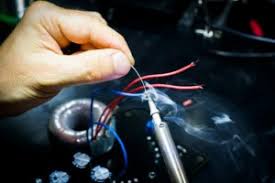
Dumbwaiter repair and maintenance involve understanding basic mechanics, identifying common issues like worn cables, motor problems, or switch failures, and performing regular checks to ensure safe and smooth operation. Most repairs focus on parts that experience wear and tear, while maintenance aims to prevent breakdowns through cleaning, lubrication, and inspection.
Understanding How Dumbwaiters Work
Think of a dumbwaiter as a tiny elevator just for goods. It’s usually a small car that moves up and down inside a shaft. This shaft runs between floors in a house or building.
It’s powered by an electric motor. This motor winds a cable around a drum.
The cable is attached to the dumbwaiter car. When the motor turns one way, it pulls the car up. When it turns the other way, it lets the car down.
There are usually safety features. These include limit switches. They tell the motor when to stop at the top or bottom.
There are also often emergency brakes.
The controls are simple. They are usually buttons in each room where the dumbwaiter stops. You press “up” or “down.” The system then moves the car to your floor.
It’s designed for ease of use. It moves things like laundry, food, or groceries. This saves you many trips up and down stairs.
Its mechanical simplicity makes it reliable for many years.
My Own Dumbwaiter Nightmare
I remember one frantic Saturday afternoon. I was hosting a big family dinner. The appetizers were ready downstairs, and my guests were upstairs.
I hit the “up” button for the dumbwaiter. Silence. Nothing happened.
I tried again. Still nothing. My heart sank.
I imagined myself running up and down the stairs with trays of food. It felt like a scene from a bad movie. My grandmother, bless her heart, just smiled and said, “Well, dear, looks like we’re getting our steps in today.” That was not the comforting thought I needed.
I could feel a bead of sweat trickle down my back. The appetizers were getting cold, and the main course was almost ready. I just stood there, staring at the blank panel, feeling utterly defeated.
That moment really highlighted how much I took that little machine for granted.
Common Dumbwaiter Issues
No Power: The dumbwaiter won’t move at all. Check the circuit breaker first. Sometimes, a tripped breaker is the whole problem.
Jerky Movement: The car moves unevenly. This could mean a worn motor or a problem with the track. Lubrication might help.
Stuck Car: The dumbwaiter stops mid-travel. This could be a sensor issue or something physically blocking the shaft. Safety systems might engage.
Loud Noises: Grinding or squealing sounds often signal worn parts. Cables or pulleys might need attention. Ignoring these can lead to bigger breaks.
The Core of the Dumbwaiter: Motor and Cables
The heart of any dumbwaiter is its motor. This electric motor is powerful for its size. It drives a drum.
This drum is where the main cable wraps. The cable is usually steel. It’s very strong.
It connects to the dumbwaiter car. It runs up through the shaft.
When the motor turns the drum, the cable moves. This pulls the car. Safety features control the motor.
Limit switches stop it at the right points. They prevent over-travel. This is very important for safety.
It stops the car from crashing.
The cable itself is a critical part. Over time, it can wear out. Fraying is a sign of wear.
Rust can also weaken it. A damaged cable is a serious safety risk. It needs to be replaced right away.
The motor needs to be strong enough. It must lift the car and its load. If the motor struggles, it might overheat.
This can damage the motor.
Quick Check: Power and Controls
Check the Breaker: The first step is always the electrical panel. Find the breaker labeled for the dumbwaiter. If it’s tripped, reset it.
If it trips again, call a pro.
Inspect the Panel: Look at the control buttons. Are they stuck? Are there any loose wires?
A simple clean might fix it.
Listen for the Motor: When you press a button, do you hear the motor try to engage? A hum means it’s getting power. No sound could mean a power issue or a dead motor.
The Moving Parts: Tracks, Rollers, and Car
The dumbwaiter car doesn’t just float. It travels along a specific path. This path is usually defined by tracks.
These tracks guide the car. They ensure it moves straight up and down. Rollers are attached to the car.
These rollers glide along the tracks. They reduce friction. This makes the movement smooth.
The car itself is usually made of wood or metal. It needs to be sturdy. It carries loads.
The door of the car is also important. It should close securely. This prevents items from falling out during transit.
Sometimes, the tracks can get dirty or bent. This can cause the car to stick. Or it might move unevenly.
The rollers can also wear down. If they get flat spots, the ride becomes rough.
Regular cleaning of the tracks is wise. A little grease on the rollers can help them spin freely. The car should also be kept clean.
Debris can get caught. This can obstruct movement. Checking for loose bolts on the car is also a good idea.
These parts work together. Any issue with one can affect the others.
Safety First: What to Look For
Safety is the most critical aspect of any dumbwaiter. These machines move heavy loads. They use strong cables.
If something fails, it can be dangerous. One key safety feature is the limit switch. These switches tell the motor when to stop.
They are usually at the top and bottom of the shaft. If they fail, the car might go too far. This can cause damage or injury.
Another safety item is the brake system. Many motors have an internal brake. This holds the car in place when the motor isn’t running.
It prevents accidental drops. For older systems, there might be a separate braking mechanism. The cable is a major safety concern.
It should be inspected regularly. Look for any signs of fraying. These are like little threads coming loose.
Any visible damage means the cable needs replacement.
The structural integrity of the shaft matters too. It needs to be sound. Anything loose inside the shaft could fall.
Or it could snag the car. Regular visual checks are essential. If you ever hear unusual noises, stop using the dumbwaiter.
It’s better to be safe than sorry. Never overload the car. Know its weight limit and stick to it.
This prevents strain on the motor and cables.
Safety Checks: A Simple List
Cable Condition: Visually inspect the main lifting cable. Look for broken strands or rust spots. Replace if any damage is seen.
Limit Switches: Test them by running the car to the ends of its travel. Ensure it stops smoothly and at the correct point.
Emergency Brake: If your system has one, ensure it engages properly when needed. This might require professional testing.
Shaft Obstructions: Look inside the shaft for anything loose or out of place. Remove any debris.
Maintenance Habits for Longevity
Regular maintenance is the secret to a long-lasting dumbwaiter. It’s not complicated. It just needs to be done.
A good starting point is cleaning. Dust and grime can build up. This affects moving parts.
Wipe down the car. Clean the tracks and rollers. Use a dry or slightly damp cloth.
Lubrication is also key. The rollers on the car need to spin freely. A small amount of grease or oil can help.
Check the motor and gearbox. Some may require periodic lubrication. Refer to the manual if you have it.
For cables, a light oil can prevent rust. But don’t over-oil them. Too much oil can attract dirt.
It can also make the cable slippery.
Check all bolts and screws. Ensure they are tight. Loose connections can cause problems.
Over time, parts can shift. Tightening them keeps everything secure. Test the controls.
Make sure buttons are responsive. Wires should be secure. A simple visual inspection of wiring is good.
Look for any signs of damage or fraying.
Keep the shaft clear. Debris can cause issues. Perform these checks at least twice a year.
A simple schedule helps. More frequent checks might be needed if you use the dumbwaiter a lot. Or if you live in a dusty environment.
Preventative care saves you money. It also prevents unexpected breakdowns.
Lubrication Guide
Rollers: Apply a light grease or a multi-purpose lubricant to the roller bearings. Cycle the car a few times to spread it.
Tracks: A thin layer of grease on the tracks helps the rollers glide. Wipe off any excess.
Motor/Gearbox: Check the manufacturer’s recommendations. Some motors are sealed and don’t need lubrication. Others have grease fittings.
Cable: A light spray of a cable lubricant or a thin coat of oil can prevent rust. Apply sparingly.
When to Call a Professional
Sometimes, a simple fix isn’t enough. There are times when you absolutely need an expert. If you’re unsure about anything, call a pro.
Tampering with electrical systems can be dangerous. Motors and brakes are complex. A qualified technician knows how to handle them.
If you see significant wear on the main cable, don’t try to replace it yourself. This is a critical safety component.
Motor problems are also best left to experts. If the motor is making strange noises, or if it’s burned out, a professional can diagnose and fix it. Gearbox issues can be tricky.
These often require specialized tools and knowledge. Limit switches that aren’t working correctly need expert attention. Incorrectly set limit switches can cause serious damage.
Anytime you are dealing with safety mechanisms, it’s best to get professional help. This includes brake systems. They are vital for preventing accidents.
If the dumbwaiter makes loud grinding noises, or if it stops suddenly and won’t restart, a professional is needed. They have the experience and tools. They can ensure repairs are done safely and correctly.
Remember, a malfunctioning dumbwaiter is a safety hazard. Don’t risk it.
When Professionals Are a Must
Electrical Issues: Any problem involving wiring, motor burnout, or control board failures.
Cable Replacement: Due to the critical safety role of the cable.
Brake System Problems: Ensuring the emergency brake functions correctly.
Major Mechanical Failures: Such as a seized motor or a damaged gearbox.
Unexplained Stoppages: If the dumbwaiter stops for no apparent reason and basic checks fail.
Troubleshooting Common Dumbwaiter Problems
Let’s break down some common issues. What if your dumbwaiter just stopped working? First, check the power.
Is the outlet working? Is the circuit breaker tripped? Sometimes, the simplest solution is the right one.
What if it makes a noise but doesn’t move? This often means the motor is getting power. But it can’t turn the drum.
The cable might be loose. Or something might be jammed in the drum. If the car moves but jerks a lot, check the rollers and tracks.
They might be dirty or worn. Lubrication is often the fix here.
If the dumbwaiter goes to the wrong floor, or doesn’t stop, the limit switches are likely the culprit. They might be misaligned or broken. This is a job for a technician.
If you hear grinding sounds, it could be the gears in the motor or gearbox. Or it could be debris caught in the moving parts. Cleaning and lubrication can help.
But persistent grinding means worn parts.
What about the door? If the car door or the landing doors don’t latch properly, the dumbwaiter might not operate. Many have interlocks to prevent operation if doors aren’t closed.
Check that they swing freely and close tightly. Sometimes, a simple adjustment fixes this. Always remember to turn off the power before inspecting anything.
Understanding Dumbwaiter Controls
The controls for a dumbwaiter are usually very straightforward. You’ll find buttons at each landing. These are typically “Up” and “Down” buttons.
Sometimes there’s an “Open” or “Close” button for the car door, though this is less common. On the control panel, you might also see a status light. This light can indicate if the unit is on, if there’s an error, or if it’s in use.
When you press the “Up” button, for example, it sends a signal. This signal goes to the motor controller. The controller then tells the motor to turn in the direction that raises the car.
It will continue to move until it reaches its destination. At that point, the limit switch tells the controller to stop the motor.
Some modern dumbwaiters might have more advanced features. This could include a call button that lights up. Or perhaps a voice indicator.
However, the core functionality remains the same. The system relies on electrical signals and mechanical action. Understanding these basic controls helps you troubleshoot.
It tells you which part might be failing if something goes wrong. For example, if pressing a button does nothing, the issue might be with the button itself or the wiring to it.
Control Panel Checks
Button Function: Press each button. Does it feel responsive? Does it click when pressed?
Wiring: Visually inspect any visible wires connected to the control panel. Look for loose connections or damage.
Indicator Lights: Note what the lights show. Consult your manual for error codes if available.
Interlocks: Ensure the landing doors and car door close fully. The system won’t operate if they are ajar.
Material Wear and Tear: What to Expect
Dumbwaiters are mechanical devices. They have parts that move. Moving parts wear out.
This is a normal process. The main cable is a prime example. It goes up and down thousands of times.
It experiences friction. It can stretch slightly. The outer strands can fray.
This is why regular inspection is crucial. A frayed cable is a serious hazard.
The rollers on the car are also subject to wear. They spin against the tracks. Over time, they can become flat.
Or the bearings inside them can fail. This leads to a rough ride. It can also put extra strain on the motor.
The tracks themselves can get dirty. Or they might develop small dents. This can impede smooth movement.
Cleaning and lubrication help reduce wear.
Motors have brushes. These can wear down over time. When brushes are worn, the motor might run weakly.
Or it might stop working altogether. Gears within the motor or gearbox can also wear. This is often what causes grinding noises.
These are parts that typically need professional attention when they fail.
Even the car itself can show wear. The paint might chip. The hinges on the door might loosen.
These are usually cosmetic. But they can sometimes affect function. For example, a sagging car door might not close properly.
Understanding that wear is normal helps. It makes you proactive about maintenance. It stops small issues from becoming big, expensive problems.
Myths vs. Realities of Dumbwaiter Repair
There are many ideas people have about dumbwaiter repair. Some are true, and some are just not accurate. One common myth is that dumbwaiters are maintenance-free.
This is simply not true. Like any machine, they need care. Neglect is the quickest way to shorten a dumbwaiter’s life.
Another myth is that if it’s not broken, don’t fix it. This applies to some things, but not really to mechanical systems. Proactive maintenance is key.
Finding a small issue during a regular check is much better than waiting for a total breakdown. For instance, noticing a slightly worn cable during a cleaning session means you can replace it before it snaps.
Some people think any handy person can fix a dumbwaiter. While some basic tasks are DIY, complex issues require specialized knowledge. Electrical components and heavy-duty mechanics are not for the faint of heart.
Hiring a qualified technician ensures the job is done safely and correctly. This saves you time and potential future headaches.
A reality check is that repairs can be costly. But regular maintenance is far cheaper than major repairs. Think of it like owning a car.
You change the oil regularly. This costs less than replacing a blown engine. The same logic applies to your dumbwaiter.
Investing a little time and money in upkeep saves a lot in the long run.
Dumbwaiter Mythbusters
Myth: Dumbwaiters never break if they are installed correctly.
Reality: All mechanical systems require regular maintenance and inspection.
Myth: Any repair can be a DIY project.
Reality: Electrical and complex mechanical repairs should be handled by professionals.
Myth: Dumbwaiters are expensive to maintain.
Reality: Regular, simple maintenance is cost-effective and prevents expensive repairs.
Real-World Dumbwaiter Scenarios
Imagine a busy family with young children. They use the dumbwaiter daily for laundry. The laundry room is in the basement.
Bedrooms are upstairs. Without the dumbwaiter, it’s many trips carrying heavy baskets. One day, the dumbwaiter starts making a loud squealing noise.
The mother notices the cable looks a bit rough. She knows this needs attention. She stops using it for laundry and calls a repair service.
They find that the motor bearings are worn. They also replace the main cable. This prevents a potential accident and keeps their laundry routine going smoothly.
Consider an older couple in a large house. They use the dumbwaiter to bring groceries up from the garage. The garage is at ground level.
The kitchen is on the second floor. They notice the dumbwaiter is slower than usual. The car seems to wobble a bit.
They look at the tracks. They are dusty and have some dried grease. They clean the tracks and rollers thoroughly.
They then apply a light coat of lubricant. The dumbwaiter immediately runs smoother and faster. This simple cleaning and lubrication solved their problem.
It shows how basic care can make a big difference.
In another home, a smart homeowner uses their dumbwaiter for books. The library is on the third floor. They notice that the dumbwaiter sometimes stops a few inches short of the top landing.
They check the limit switch. It appears to be slightly out of position. They carefully adjust it so it activates the stop signal correctly.
Now the dumbwaiter stops precisely at the landing every time. This saved them a service call for a minor adjustment.
What Your Dumbwaiter’s Behavior Means
The way your dumbwaiter behaves can tell you a lot. If it moves smoothly and quietly, that’s generally a good sign. It means the motor, cables, rollers, and tracks are likely in good condition.
It’s operating as designed.
If the car becomes sluggish, it might be a sign of increased friction. This could be due to dirty tracks, worn rollers, or a motor that’s losing power. It’s a signal to investigate.
Don’t ignore a slowdown. It’s the dumbwaiter’s way of saying it needs some attention.
Jerky or uneven movement is more concerning. This often points to problems with the rollers or tracks. It could also indicate an issue with the motor’s drive mechanism.
This needs prompt attention. Consistent jerking can cause more wear and tear.
Unusual noises are a clear warning. A squeal might be a roller bearing. A grinding sound could be gears or debris.
A loud clunk might indicate something is loose or has shifted. Any sudden change in sound should be investigated. It’s the dumbwaiter’s alarm system.
If the dumbwaiter stops prematurely or overshoots its landing, it’s a signal that the limit switches are not working correctly. This is a safety issue. It needs to be fixed to prevent damage to the unit or its surroundings.
Pay attention to these cues. They help you maintain your dumbwaiter before minor issues become major problems.
Interpreting Dumbwaiter Symptoms
Smooth & Quiet: Generally good. Continue regular maintenance.
Slow Movement: Friction issue (tracks/rollers) or motor strain. Investigate and clean/lubricate.
Jerky Motion: Roller or track problems. Check for wear and debris.
Strange Noises: Bearing, gear, or obstruction issue. Inspect and lubricate; call a pro if needed.
Incorrect Stopping: Limit switch problem. Requires professional adjustment or repair.
Quick Tips for Keeping Your Dumbwaiter Happy
Here are some simple steps you can take. Keep the shaft clean. Remove any dust or debris.
Make sure the landing doors close completely. Test the up and down buttons regularly. Listen for any unusual sounds.
Wipe down the dumbwaiter car. Check the rollers to make sure they spin freely.
Apply a small amount of lubricant to the rollers and tracks if needed. Don’t overdo it. Excess lubricant attracts dirt.
Visually inspect the main cable for any signs of wear. If you notice any fraying or rust, stop using the dumbwaiter immediately. This is a critical safety concern.
Ensure nothing is blocking the path of the car. Check that the car door latches securely.
If your dumbwaiter uses a rope system, check the rope for fraying or wear. For electric models, check the main power switch is accessible. If you use it often, more frequent checks are wise.
These small actions add up. They help prevent larger issues down the line. They keep your dumbwaiter running efficiently for years.
Frequently Asked Questions About Dumbwaiters
How often should I perform dumbwaiter maintenance?
You should perform basic cleaning and visual inspections at least twice a year. More thorough checks, including lubrication and testing of safety features, might be needed more often depending on usage and environment. Always refer to your manufacturer’s guide if available.
What is the typical lifespan of a dumbwaiter?
With proper maintenance, a dumbwaiter can last for 20 to 30 years, sometimes even longer. Key factors include the quality of the original installation, the frequency of use, and the diligence of the maintenance schedule.
Can I repair a dumbwaiter myself?
Simple tasks like cleaning, lubricating rollers, and checking for obvious obstructions are often DIY-friendly. However, repairs involving electrical components, motor issues, or safety mechanisms like brakes and limit switches should ideally be handled by a qualified professional to ensure safety and correct function.
What should I do if my dumbwaiter stops working suddenly?
First, check the power supply and reset any tripped circuit breakers. If it has power but doesn’t move, inspect the shaft for obstructions. Listen for motor sounds.
If basic checks don’t reveal the issue, it’s time to call a professional. Avoid forcing the operation.
Is it safe to overload my dumbwaiter?
No, it is never safe to overload your dumbwaiter. Each model has a specific weight capacity. Exceeding this limit can strain the motor, damage the cables, wear down parts faster, and pose a serious safety risk.
Always adhere to the recommended weight limit.
What are the most common parts that need replacement?
The most common parts to wear out and require
Wrapping Up Your Dumbwaiter Care
Taking care of your dumbwaiter doesn’t have to be a chore. By understanding its parts and performing regular, simple maintenance, you can ensure it works well for years. Watch for early signs of wear.
Keep it clean. And don’t hesitate to call a professional when needed. A well-maintained dumbwaiter is a valuable asset.
It saves time and effort in your home.