It’s a situation that can make anyone pause, even freeze up. You step into an elevator, the doors close, and then. nothing happens.
Or worse, it lurches, or a strange noise starts. Suddenly, your day goes from normal to a bit unsettling. Elevator troubles aren’t just a minor annoyance; they can quickly become an urgent problem.
Especially when you’re in a hurry or need to get somewhere important. Waiting for a repair can feel like forever. That’s why knowing about emergency elevator repair services is so crucial.
This guide is here to help you understand what to do, what to expect, and how to get things moving again fast.
Emergency elevator repair 24/7 in means having immediate access to certified technicians who can respond to elevator malfunctions at any hour. This service focuses on safety, getting elevators back online quickly, and addressing critical issues like power failures, unusual noises, or entrapment situations to ensure passenger safety and building operation.
Understanding Elevator Emergencies
Elevators are complex machines. They have many parts working together. When one part has an issue, the whole system can stop.
This is especially true if a safety feature kicks in. These features are designed to protect people inside. So, a stopped elevator might be a sign of a problem it’s trying to prevent.
Common elevator emergencies often start with something small. You might hear a strange squeak. Or maybe the elevator doesn’t level perfectly at a floor.
These can be early warnings. But sometimes, issues happen suddenly. A power outage can affect elevators.
So can wear and tear on parts.
Knowing what constitutes an emergency is key. An elevator stuck between floors is a clear emergency. Any unusual sounds, like grinding or loud bangs, are also serious.
If the elevator shakes more than usual, that’s a concern. Signs of smoke or fire are obvious emergencies. And of course, if someone is trapped inside, immediate help is needed.
Buildings with elevators need a plan for these moments. Property managers and building owners rely on emergency elevator repair 24/7 services. This ensures help is always available.
It means residents and visitors stay safe. It also keeps the building running smoothly. No one wants to deal with a broken elevator for long.
The goal of emergency services is quick response. They understand that time is critical. Getting a technician to the site fast is their top priority.
Once there, they assess the situation. Then they work to fix the problem safely. This might involve a simple reset or a more complex repair.
Whatever it takes, they aim to restore service reliably.
My Own Elevator Scare: A Night to Remember
I remember one particularly chilly Tuesday evening. I was visiting a friend who lived on the 15th floor of an older apartment building. It was late, past 10 PM.
We were heading out for some late-night ice cream. I pressed the button for the elevator, and the car arrived pretty quickly. I stepped inside, and so did my friend.
As the doors began to slide shut, there was a sharp, metallic clunk. The lights flickered. Then, the elevator jolted to a halt.
It wasn’t a gentle stop. It was more like a sudden drop, though thankfully, it didn’t feel like we were falling. We were stuck between floors.
My heart immediately started pounding.
The silence that followed was deafening, broken only by our own quick breaths. My friend, trying to stay calm, pressed the alarm button. Nothing happened.
We tried the door open and close buttons. Still no response. A wave of mild panic washed over me.
I peered through the crack in the doors, seeing only the dimly lit shaft wall.
This was my first time truly experiencing an elevator malfunction. It felt isolating and a little scary. I thought about all the stories you hear.
What if it got worse? What if we were stuck for hours? It was a stark reminder of how much we rely on these metal boxes to move us around.
That night, I learned firsthand the true value of having emergency elevator repair 24/7 services readily available.
We eventually got hold of building management using a cell phone, and they contacted a repair service. The wait felt like an eternity, but the technicians arrived within an hour. They were calm and professional, explaining things clearly.
It was a relief to see them work. They got the doors open safely. That experience really drove home the importance of swift, reliable help when elevators decide to take an unscheduled break.
Signs It’s Time to Call for Emergency Repair
Sudden Stops: If the elevator stops unexpectedly between floors.
Loud Noises: Grinding, banging, or squealing sounds during operation.
Shaking or Jerking: Unusual movement that feels unsafe.
Door Issues: Doors not opening or closing properly, or getting stuck.
Failure to Move: Elevator not responding to calls or buttons.
Smoke or Smells: Any indication of fire or electrical issues.
Entrapment: If passengers are stuck inside the car.
How Emergency Elevator Repair Services Work
When you call for emergency elevator repair, there’s a process. First, you need to find a reliable service. Many companies offer 24/7 availability.
They usually have a dedicated dispatch line. This line is staffed around the clock. Trained operators take your call.
They will ask for important details. This includes the building address. They’ll want to know the exact location of the elevator.
Is it on a specific floor? What is the nature of the problem? Are people trapped inside?
This information helps them understand the urgency.
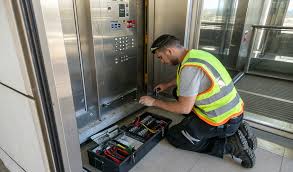
Once they have the details, they dispatch a technician. These technicians are skilled in elevator systems. They often carry specialized tools.
They are trained to handle emergencies safely. The goal is to reach the site as quickly as possible.
Upon arrival, the technician will assess the elevator. They might check the control panel. They’ll listen for unusual sounds.
They might test the doors and the car’s movement. Safety is their first concern. They ensure no one is in immediate danger.
If people are trapped, the technician’s priority is their safe release. This is a delicate process. They use specific procedures to open the doors.
They ensure everyone inside is calm. They guide them out of the elevator car.
For repairs, the technician diagnoses the issue. It could be a mechanical problem. It might be an electrical fault.
Sometimes, it’s a software glitch. They will then attempt to fix it. If it’s a minor issue, they might resolve it on the spot.
This could involve replacing a small part or resetting a system.
If the repair is more complex, they might need to order parts. In such cases, they will secure the elevator. They will explain the next steps.
They will give an estimated time for the full repair. Their aim is always to minimize downtime.
Many companies offer scheduled maintenance too. This helps prevent emergencies. Regular checks catch small problems early.
This saves money and hassle later. But even with maintenance, unexpected issues can arise. That’s why emergency elevator repair 24/7 is so vital for building safety and function.
Speedy Response: What to Expect
Call Placement: You call a dedicated 24/7 emergency line.
Information Gathering: Operator asks for building, elevator location, and issue details.
Technician Dispatch: An experienced technician is sent immediately.
Arrival Time: Aim is often within 1-2 hours, depending on location and traffic.
On-Site Assessment: Technician quickly identifies the problem and safety risks.
Passenger Release (if needed): Priority is safe evacuation of trapped passengers.
Repair or Temporary Fix: Technician works to restore service or secure the elevator.
Follow-up: Information on further repairs or service scheduling.
Common Elevator Problems Requiring Urgent Attention
Elevators can face a variety of issues. Some are minor, while others demand immediate attention. Understanding these can help you know when to call for help.
Door Malfunctions: These are quite common. Doors might refuse to open or close. They could get stuck midway.
Sometimes they reopen just as someone is stepping in or out. This poses a significant safety risk. It’s essential to get these fixed fast.
Power Failure: If the building loses power, elevators usually stop. Modern elevators have safety systems. They often try to go to the nearest floor and open their doors.
But sometimes, they can get stuck. This requires immediate professional intervention to ensure everyone is safe and the elevator is properly reset.
Unusual Noises: A healthy elevator runs fairly quietly. Strange sounds like grinding, squealing, or loud banging are warning signs. These noises often indicate worn-out parts or a system under strain.
Ignoring them can lead to more serious breakdowns.
Jerking or Lurching: When an elevator moves smoothly, it feels comfortable. If it starts to jerk or lurch, it suggests a problem with the motor, cables, or braking system. This can be frightening and is a clear signal for emergency elevator repair 24/7.
Car Not Leveling: Elevators are designed to stop precisely at floor level. If the car consistently stops too high or too low, it’s a tripping hazard. This indicates an issue with the leveling system and needs urgent repair.
Overheating: In heavy use, elevator motors and control systems can overheat. If the elevator stops running and emits heat or a burning smell, it’s a serious electrical concern. This needs immediate attention from a technician.
Communication System Failure: Many elevators have intercoms or emergency phones. If these systems are not working, passengers have no way to call for help if they get stuck. This system failure itself can be an emergency.
Safety Device Activation: Elevators have numerous safety devices. If one of these is triggered incorrectly, it can stop the elevator. While designed for safety, an unintended activation means the elevator is out of service and needs professional assessment.
These issues, if left unaddressed, can lead to passenger injury or more extensive, costly damage to the elevator system. That’s why prompt professional assessment and repair are so important.
Quick Scan: Common Elevator Issues & Call Urgency
Issue: Doors stuck open/closed
Urgency: High. Safety hazard.
Issue: Elevator stopped between floors
Urgency: Critical. Potential entrapment.
Issue: Loud grinding noise
Urgency: High. Indicates mechanical stress.
Issue: Elevator jerks significantly
Urgency: High. Serious mechanical/electrical fault likely.
Issue: Not leveling properly
Urgency: Medium to High. Tripping hazard.
Issue: Burning smell
Urgency: Critical. Fire/electrical hazard.
Choosing the Right Emergency Elevator Service Provider
When an elevator emergency strikes in , choosing the right service provider is crucial. You want someone fast, reliable, and qualified. Not all companies are created equal.
You need to know what to look for.
24/7 Availability: This is non-negotiable for emergency services. Ensure they have technicians on call day and night, weekends, and holidays. A true 24/7 service means immediate dispatch, not just a voicemail.
Response Time Guarantees: Ask about their typical response times. Some providers offer guaranteed response times for certain contracts. Even without a guarantee, you want a company that prioritizes rapid arrival.
Licensing and Certification: Elevator repair is a specialized field. Technicians must be licensed and certified. Check if the company adheres to all local and state regulations.
This ensures they have the proper training and expertise.
Experience with Your Elevator Type: Different elevator brands and models exist. Some companies specialize in certain types. If you know your elevator’s make or model, it’s beneficial to choose a provider with experience in it.
This can lead to faster diagnosis and repair.
Reputation and Reviews: Look for customer reviews and testimonials. What do past clients say about their responsiveness, professionalism, and the quality of their work? A good reputation is a strong indicator of reliability.
Emergency Pricing Transparency: Emergency services often cost more than standard maintenance. Ask about their pricing structure for after-hours calls, weekends, and holidays. Understand if there are flat rates or hourly charges and any potential extra fees.
Communication: How well do they communicate? During an emergency, you need clear updates. A good company will keep you informed about the technician’s ETA, the diagnosis, and the repair process.
Local Presence: A local provider is often best. They will know the area, traffic patterns, and building types. This can contribute to a quicker response time compared to a company based further away.
When you have a situation needing emergency elevator repair 24/7, making an informed choice can save you time, stress, and potentially money in the long run. It ensures your building’s elevators are handled by competent professionals.
Key Questions to Ask a Potential Emergency Service
Q: Are you available 24/7, 365 days a year?
Q: What is your average response time for emergencies?
Q: Are your technicians licensed and certified?
Q: Do you have experience with ?
Q: How do you handle pricing for emergency calls?
Q: Can you provide references or show reviews?
Preventative Maintenance: The Best Defense
While we’re talking about emergencies, it’s vital to remember prevention. The best way to avoid a stressful elevator breakdown is to keep your elevator well-maintained. Regular maintenance can catch small issues before they become big problems.
It’s like taking care of your car; regular check-ups prevent major breakdowns.
Scheduled Inspections: Certified technicians should inspect elevators regularly. These inspections check all moving parts, safety systems, and electrical components. They look for signs of wear and tear.
Lubrication: Moving parts need to be properly lubricated. This reduces friction and wear. It also helps prevent noise.
Testing Safety Features: All safety devices, like door interlocks and emergency brakes, must be tested. This ensures they will work when needed.
Cleaning: Keeping the elevator pit and shaft clean is important. Debris can interfere with operation and damage components.
Software Updates: Modern elevators have sophisticated control systems. Like computers, they may need software updates to ensure optimal performance and security.
When you invest in a good maintenance plan, you’re not just preserving the elevator. You’re investing in safety and reliability. You’re also reducing the likelihood of needing those emergency elevator repair 24/7 services.
A proactive approach saves money over time. Emergency repairs are almost always more expensive. They can also cause significant disruption to building occupants.
Regular maintenance is a smart business decision for any property owner or manager.
Preventative Maintenance Checklist Highlights
Component Check: Inspecting cables, ropes, and sheaves for wear.
Door System Lubrication: Ensuring smooth and safe door operation.
Brake System Test: Verifying the emergency braking system is functional.
Electrical Component Check: Examining wiring, fuses, and control boards.
Safety Sensor Calibration: Ensuring light curtains and sensors work correctly.
Pit and Shaft Cleaning: Removing debris that can cause damage.
Intercom/Alarm Test: Confirming communication systems are operational.
What to Do If You’re Trapped in an Elevator
Getting stuck in an elevator can be a frightening experience. But staying calm is the most important thing. Here’s what you should do.
Remember, professional help is usually on the way quickly.
Stay Calm: Take deep breaths. Panicking won’t help. Elevators are designed with multiple safety features.
They are very safe even when stopped.
Press the Alarm Button: Locate the alarm button, usually marked with a bell symbol. Press and hold it. This alerts building management or the elevator service company.
Use the Intercom/Phone: If there’s an intercom or phone inside the car, use it. Speak clearly and state your location and that you are trapped. If you have a cell phone, try calling building management or emergency services (like 911 if it’s a dire situation).
Do NOT Force Doors Open: Never try to pry open the elevator doors. The elevator could be between floors, and attempting to force the doors can be extremely dangerous. Wait for trained professionals.
Wait for Assistance: Once you’ve alerted someone, be patient. Professional help is dispatched quickly for these situations. The technicians are trained to release you safely.
Conserve Phone Battery: If you are using your cell phone, conserve its battery. You might need it for further communication.
If Others Are Present: Reassure others in the elevator. Talking calmly can help everyone stay composed.
Most elevator entrapments are resolved without incident. The key is to follow these steps and trust that help will arrive. Knowing that emergency elevator repair 24/7 services exist provides peace of mind.
Elevator Entrapment: Your Action Plan
Step 1: Remain Calm. Take deep breaths.
Step 2: Press the ALARM button.
Step 3: Use the INTERCOM or PHONE if available.
Step 4: If no intercom, use your CELL PHONE to call building management or 911.
Step 5: DO NOT try to force the doors.
Step 6: Wait patiently for trained responders.
Step 7: Reassure others if you are with people.
When It’s Normal vs. When to Worry
It’s good to know the difference between a minor elevator quirk and a serious issue. Some things are normal, while others signal it’s time to call for help.
Normal Elevator Behavior:
Slight Sway: In tall buildings, you might feel a very slight sway in the elevator on windy days. This is normal and usually imperceptible.
Gentle Start/Stop: A well-maintained elevator starts and stops smoothly. You might feel a slight nudge, but it should never be a jolt.
Humming Sound: A low, steady hum from the motor is normal during operation.
Door Closing Delay: Sometimes, doors pause briefly before closing. This is often a programmed delay.
Minor Leveling Adjustments: Very slight adjustments to perfectly level at a floor are common and quickly corrected by the system.
When to Worry (Call for Emergency Repair):
Loud, Metallic Noises: Grinding, scraping, or banging sounds are never normal.
Sudden, Hard Stops: If the elevator stops abruptly and jolts passengers.
Shaking or Vibration: Excessive shaking during movement is a major concern.
Doors Not Opening or Closing Fully: Any issue with door operation poses a safety risk.
Stuck Between Floors: This is an immediate emergency.
Burning Smells or Smoke: Indicates a serious electrical or fire hazard.
Failure to Respond: If the elevator doesn’t move when buttons are pressed.
Alarm or Communication Failure: If the emergency systems don’t work.
If you notice any of the “when to worry” signs, don’t hesitate. Contacting a reputable emergency elevator repair 24/7 service provider is the safest course of action. It’s better to be safe than sorry when it comes to elevator safety.
The Future of Elevator Safety and Technology
The elevator industry is always evolving. New technologies are making elevators safer and more efficient. For buildings in and beyond, this means better experiences for everyone.
Smart Elevators: These elevators use sensors and AI. They can monitor their own performance. They can predict maintenance needs before a breakdown occurs.
This shifts from reactive emergency calls to proactive service.
Destination Dispatch: This system groups passengers heading to similar floors. It optimizes routes and reduces travel time. It also means fewer stops per trip.
IoT Integration: Internet of Things (IoT) devices allow elevators to communicate with building management systems. This provides real-time data on elevator status and performance.
Advanced Safety Systems: New sensors and monitoring systems are constantly being developed. These can detect issues like excessive heat, unusual vibrations, or door obstructions more effectively.
Energy Efficiency: Many new elevators are designed to be more energy-efficient. They use regenerative drives that capture energy when the car goes down and use it when it goes up.
These advancements contribute to fewer emergency situations. They also improve the overall user experience. While technology advances, the need for reliable emergency elevator repair 24/7 remains.
It’s the backup when technology or human error leads to unexpected issues.
Frequently Asked Questions About Emergency Elevator Repair
What is the fastest way to get an elevator repaired in an emergency?
The fastest way is to call a dedicated emergency elevator repair 24/7 service provider. Have your building address and the specific location of the elevator ready. These services are set up for immediate dispatch of technicians.
How much does emergency elevator repair cost?
Emergency repairs usually cost more than standard service. This is because they involve after-hours labor, potentially overtime pay for technicians, and rapid response. Costs can vary widely based on the company, the complexity of the repair, and the time of day or week.
It’s best to ask for a quote or understand their pricing structure upfront.
Can I fix a minor elevator issue myself?
No, absolutely not. Elevator repair is highly specialized and involves significant safety risks. Only certified and trained technicians should attempt any repairs.
Attempting to fix it yourself could be dangerous and illegal.
What if the elevator is stuck with people inside?
If people are stuck inside, the priority is their safe release. Trained emergency technicians will arrive. They know how to safely open the doors and evacuate passengers.
Advise everyone inside to stay calm and follow instructions from the emergency responders.
How often should elevators be inspected?
In the U.S., elevators are subject to various codes and regulations. Regular inspections are mandatory. The frequency can depend on local laws and the type of elevator.
Typically, this includes annual safety tests and more frequent maintenance checks by qualified personnel.
What should a building manager do during an elevator emergency?
A building manager should immediately contact the contracted emergency elevator repair 24/7 service. They should also ensure passengers are safe and informed. They should follow the procedures outlined in the building’s emergency plan and cooperate fully with the repair technicians.
Conclusion
Elevator emergencies can be stressful, but knowing what to do makes a big difference. Having a reliable emergency elevator repair 24/7 service in is essential for building safety and functionality. Regular maintenance is your best friend in preventing these situations altogether.
Stay informed, stay safe, and remember help is usually just a call away when the unexpected happens.